Pest Control
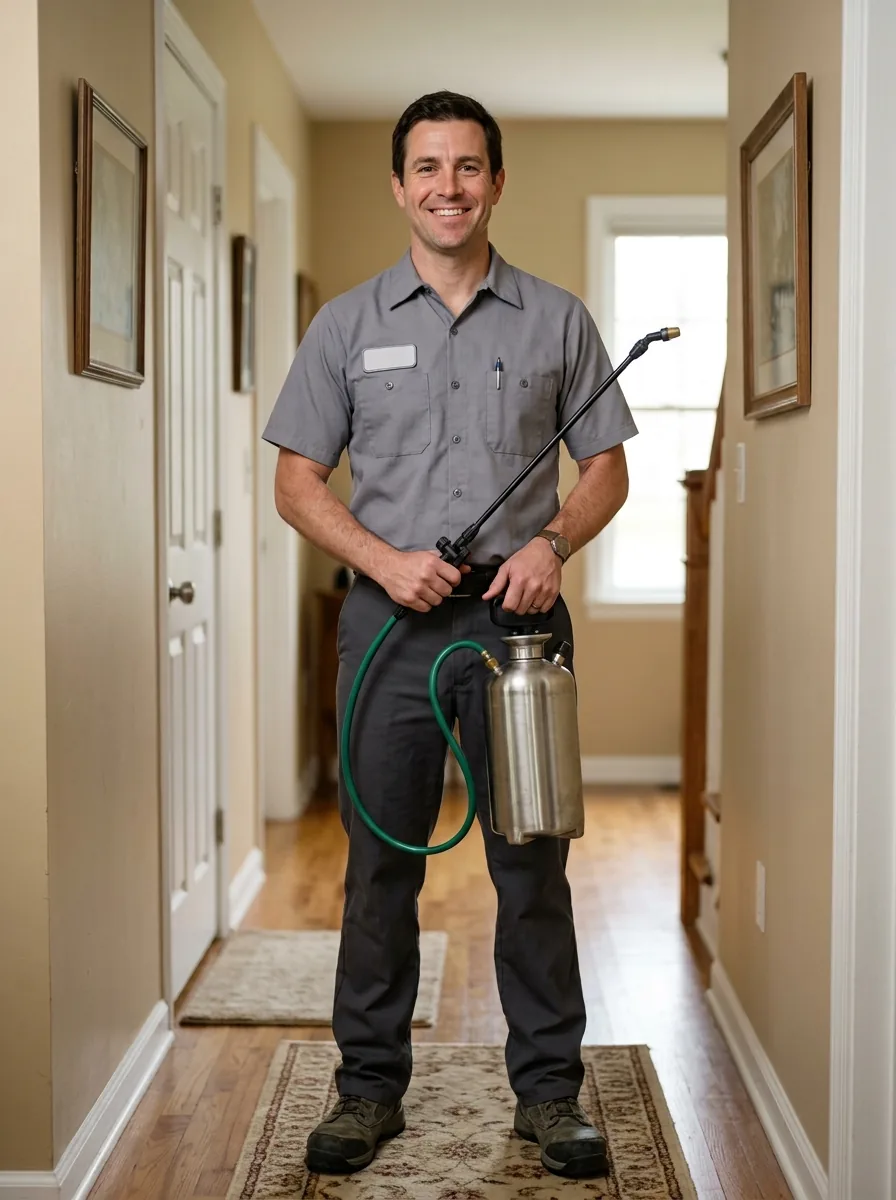
Not sure what you are dealing with? Start here. An inspection tells you what it is before anything is treated.
Learn morePest control services
View all servicesInsects
Rodents
Areas we cover
All areasNot listed?
We cover more than we have pages for.
Tell us the postcode and we will say straight away whether we can reach you.
Call 07886 109682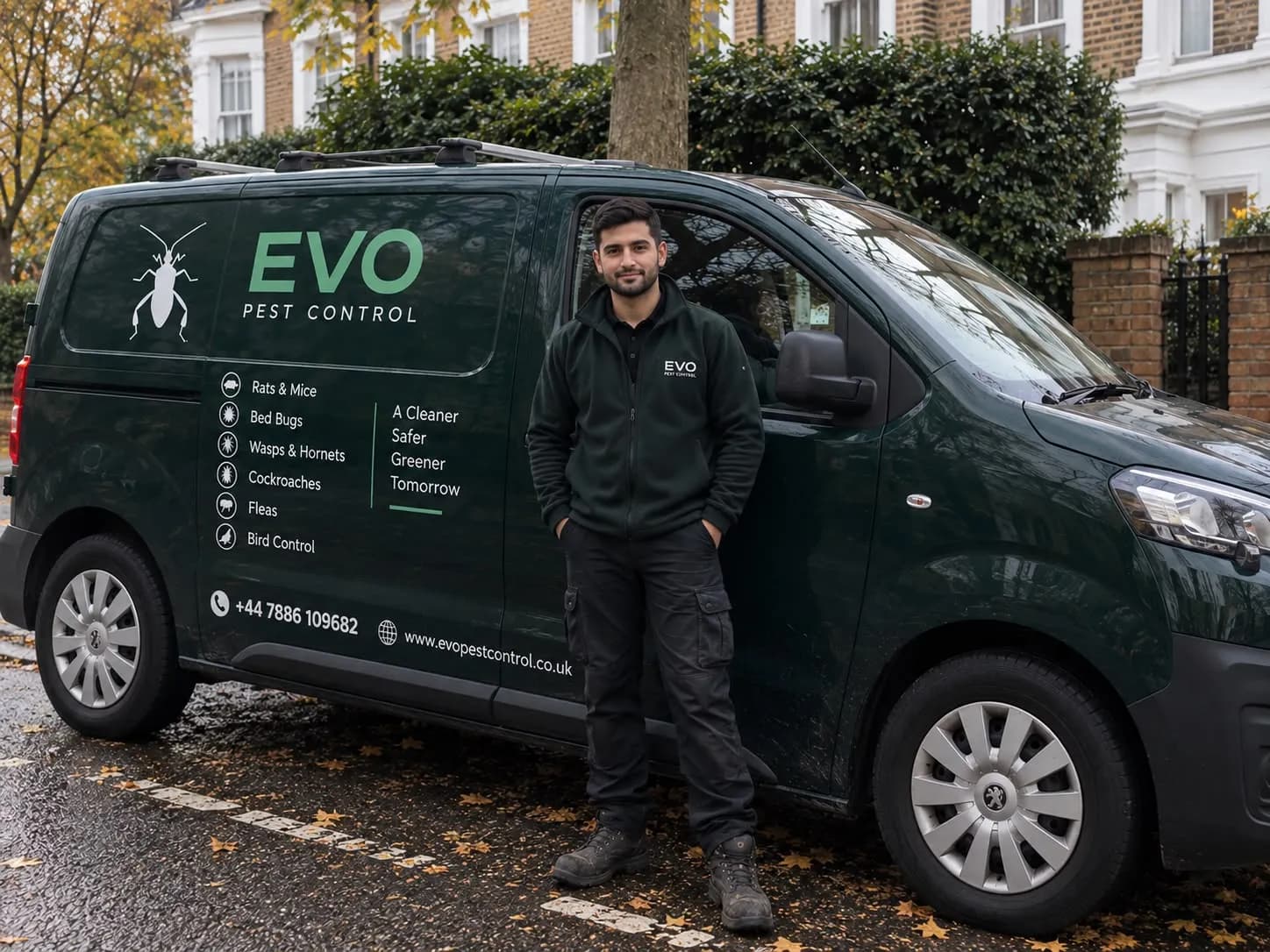
London Pest Control
EVO Pest Control looks after homes and businesses across London and nearby areas — rats, mice, cockroaches, bed bugs, ants and wasps. Every job starts with an inspection, so you know what you are dealing with before anything is treated.

What we do
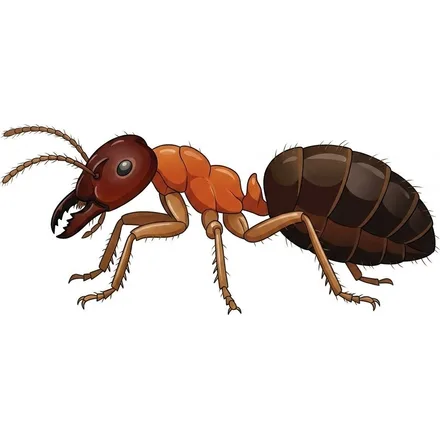
Most of what we deal with in London falls into a handful of familiar categories. Rats and mice getting into older terraced housing through drains, airbricks and service gaps. Cockroaches in converted flats and busy kitchens, moving between units along shared voids. Bed bugs carried home from a trip or brought in with second-hand furniture. Ants trailing in from a nest under the patio. Wasps setting up in a soffit over the summer.
What these have in common is that the thing you can see is rarely the thing that needs treating. A trail of ants leads to a nest somewhere else. Mouse droppings in a cupboard point to a gap you have walked past a hundred times. Rats in the loft usually trace back to something at ground level. That is why we inspect first and treat second — it is the difference between a problem that goes away and one that comes back in six weeks.
We work in houses, flats and HMOs, and in commercial premises including restaurants, offices, shops and warehouses, across London and nearby areas. If you are not sure what you have, that is a normal reason to call — identifying it is part of the job.
Pest control services
Different pests need genuinely different approaches — where they shelter, how they breed and what actually reaches them all vary. Each of these pages explains how we handle that particular problem.
Not sure what you are dealing with? Start here. An inspection tells you what it is before anything is treated.
Learn more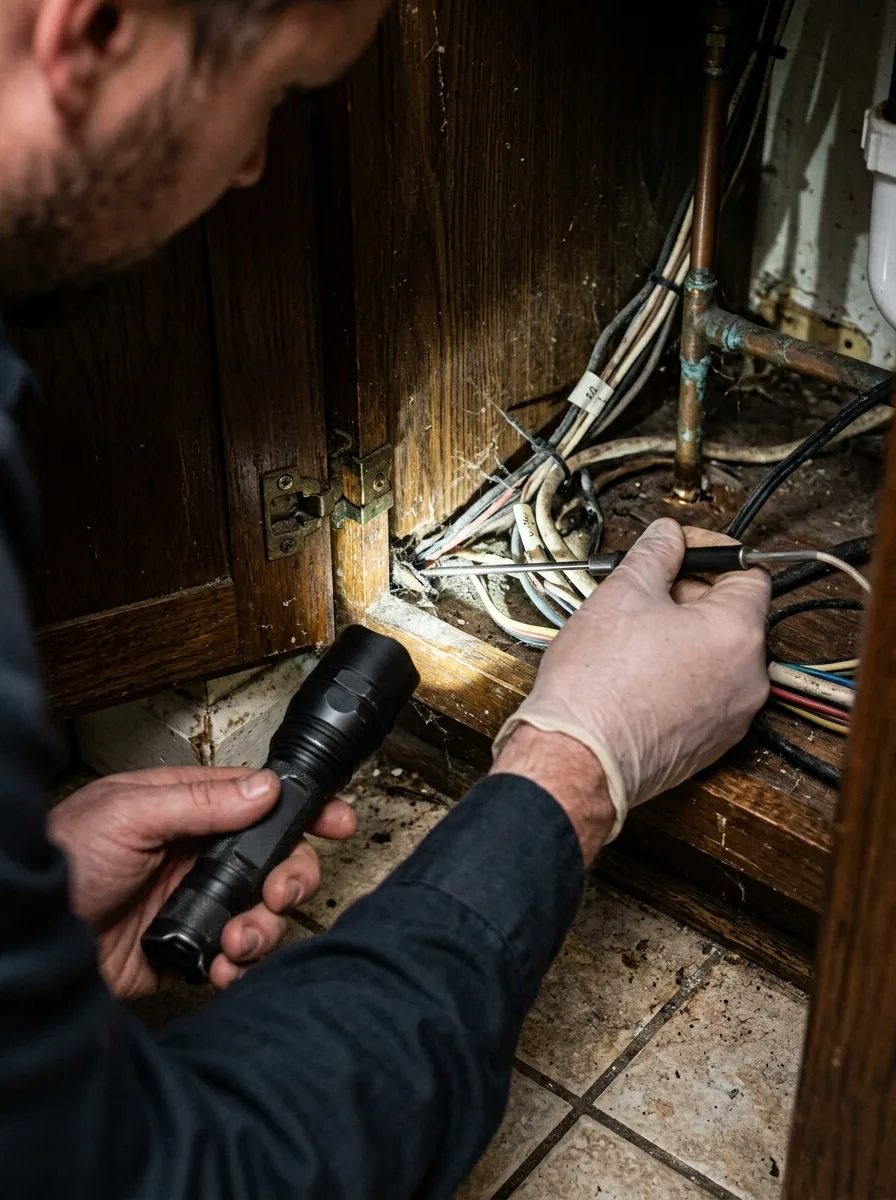
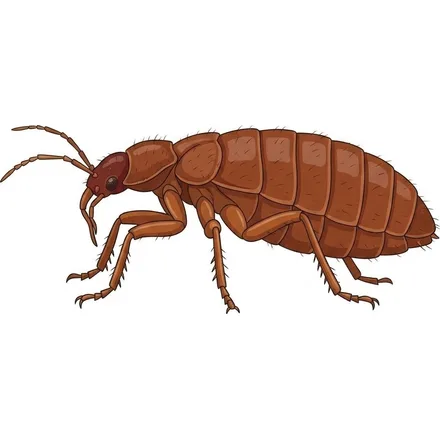
Bed bugs live in seams, joints and fixings within a few feet of where people sleep. Finding them takes a slow, methodical search.
Learn more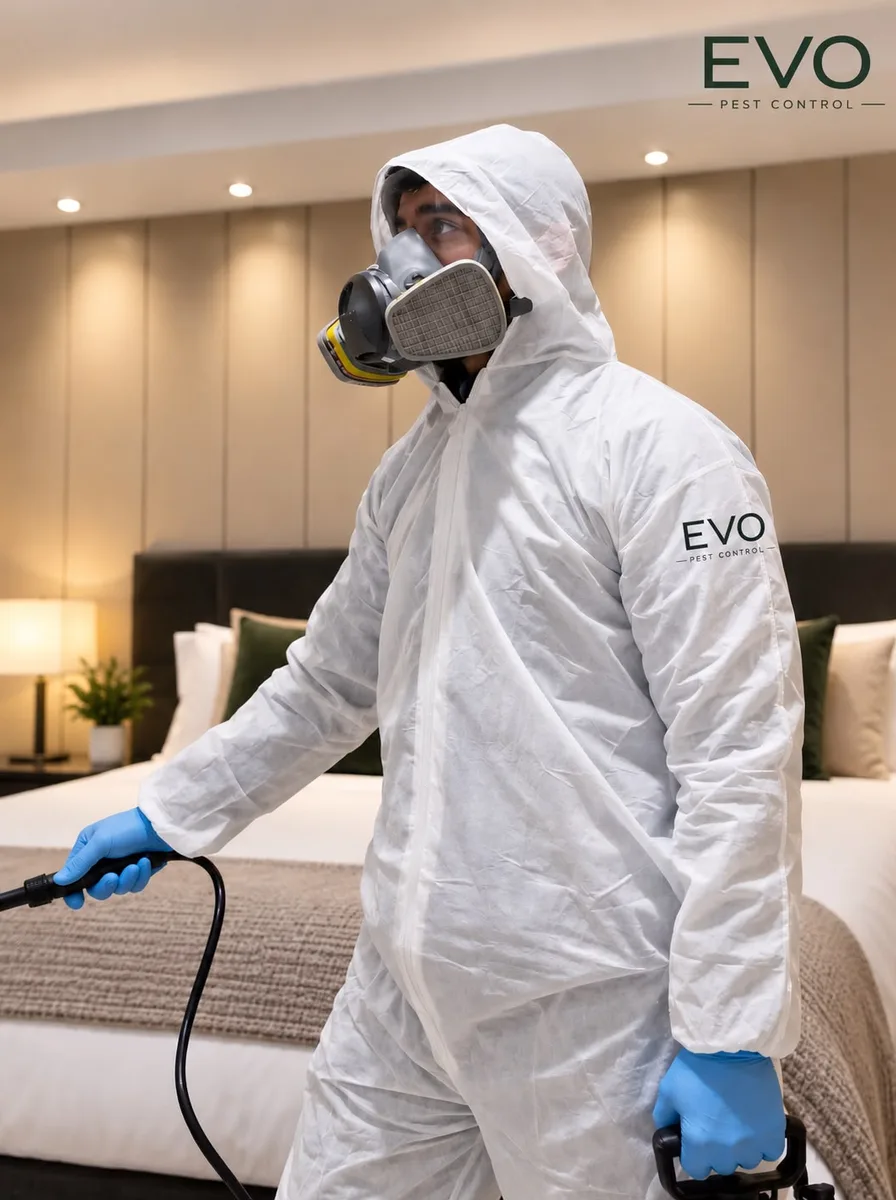
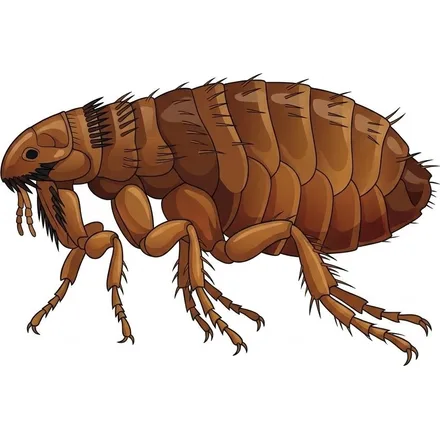
Most of a flea population is in the carpet, not on the pet. Treating the animal alone leaves the rooms untouched.
Learn more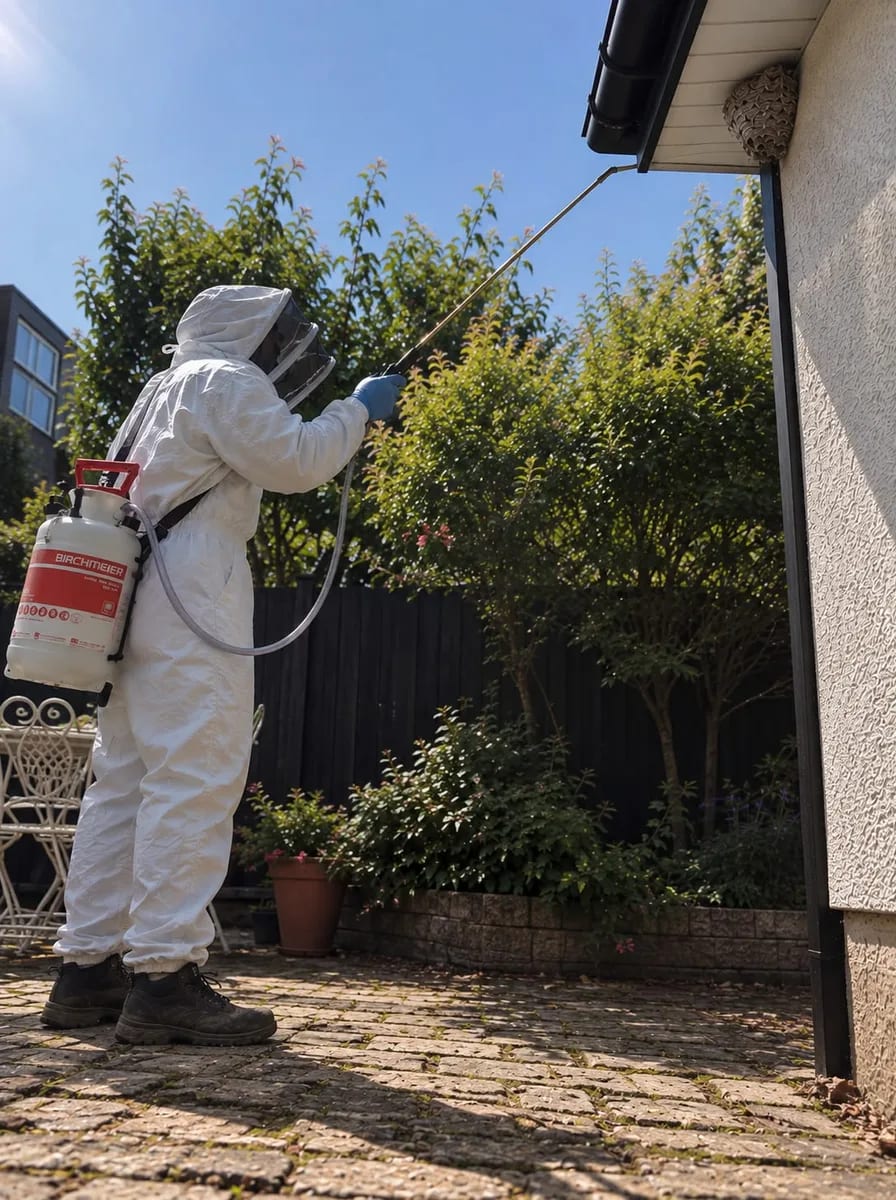
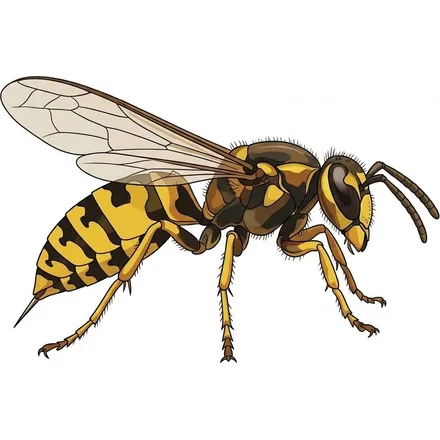
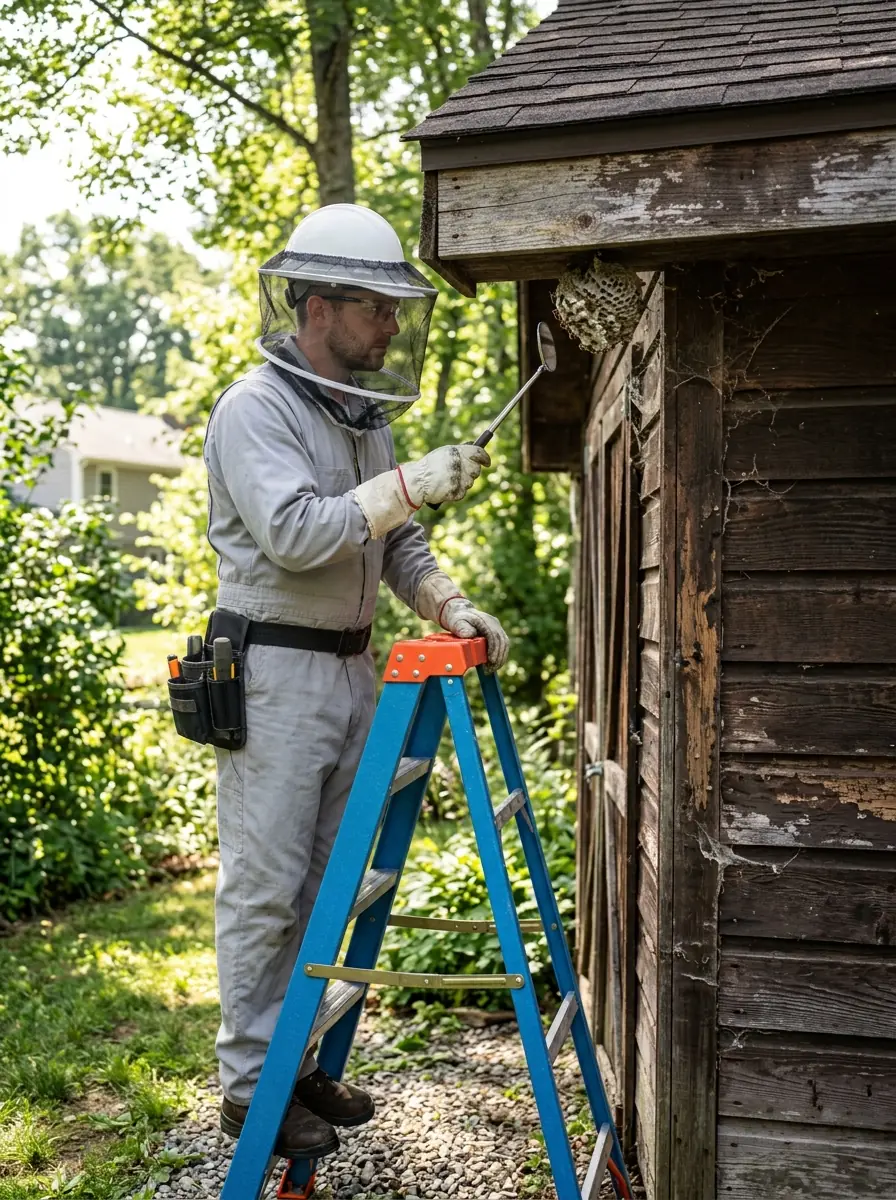
Nests sit in lofts, soffits, airbricks and cavity walls. Treating the nest is quick — reaching it safely is the skill.
Learn more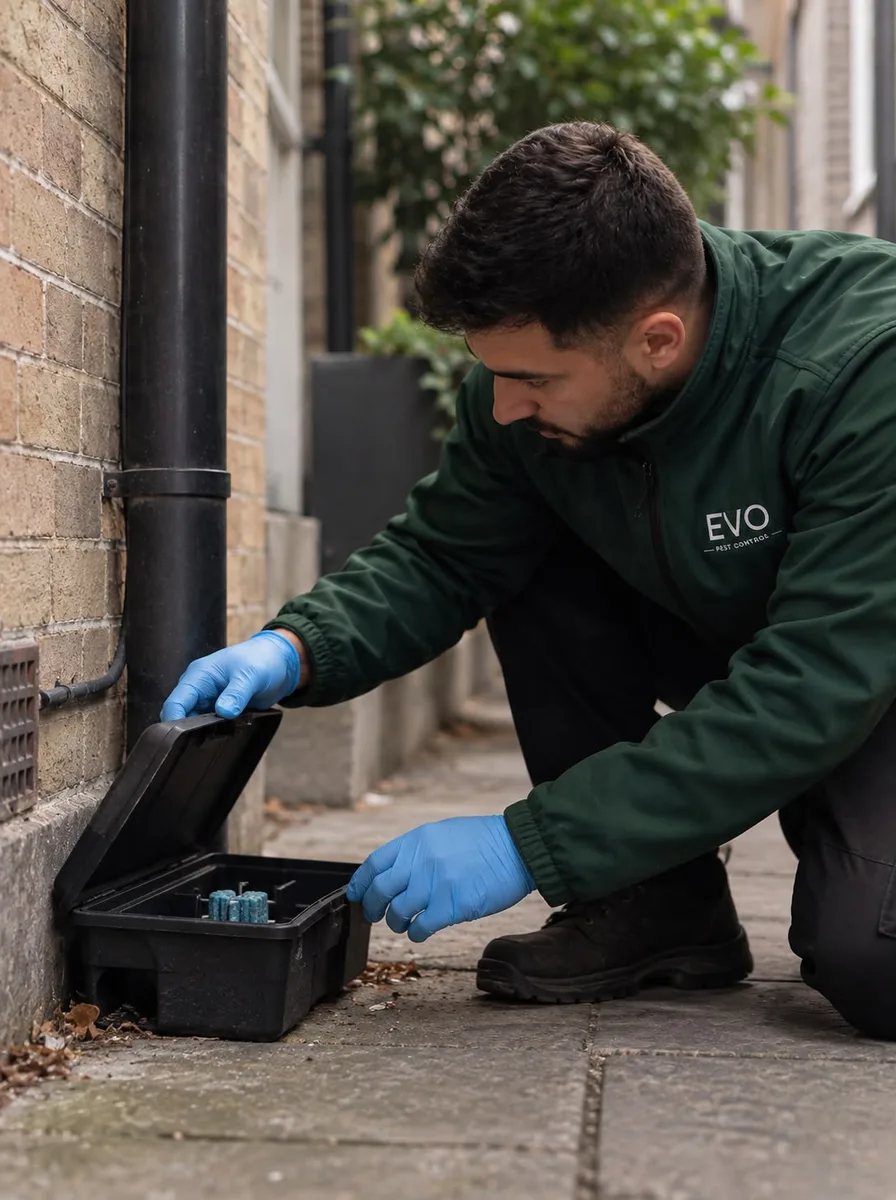
Rats follow a route in — usually a defective drain, an airbrick or a gap under decking. Proofing matters as much as the treatment.
Learn more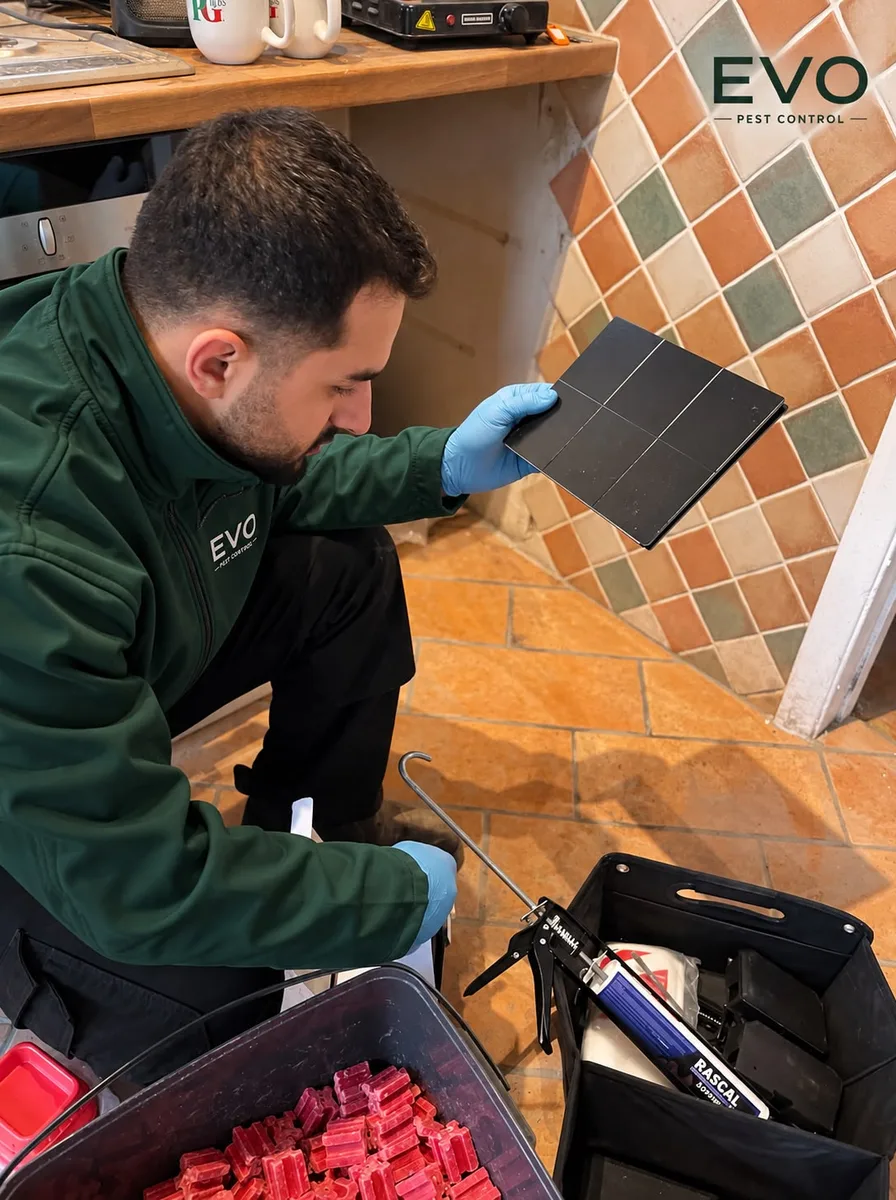
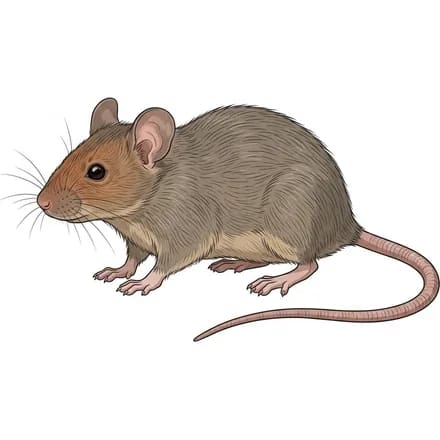
Mice nest inside the building itself — in voids, under units, behind insulation. Proofing the gaps is most of the job.
Learn more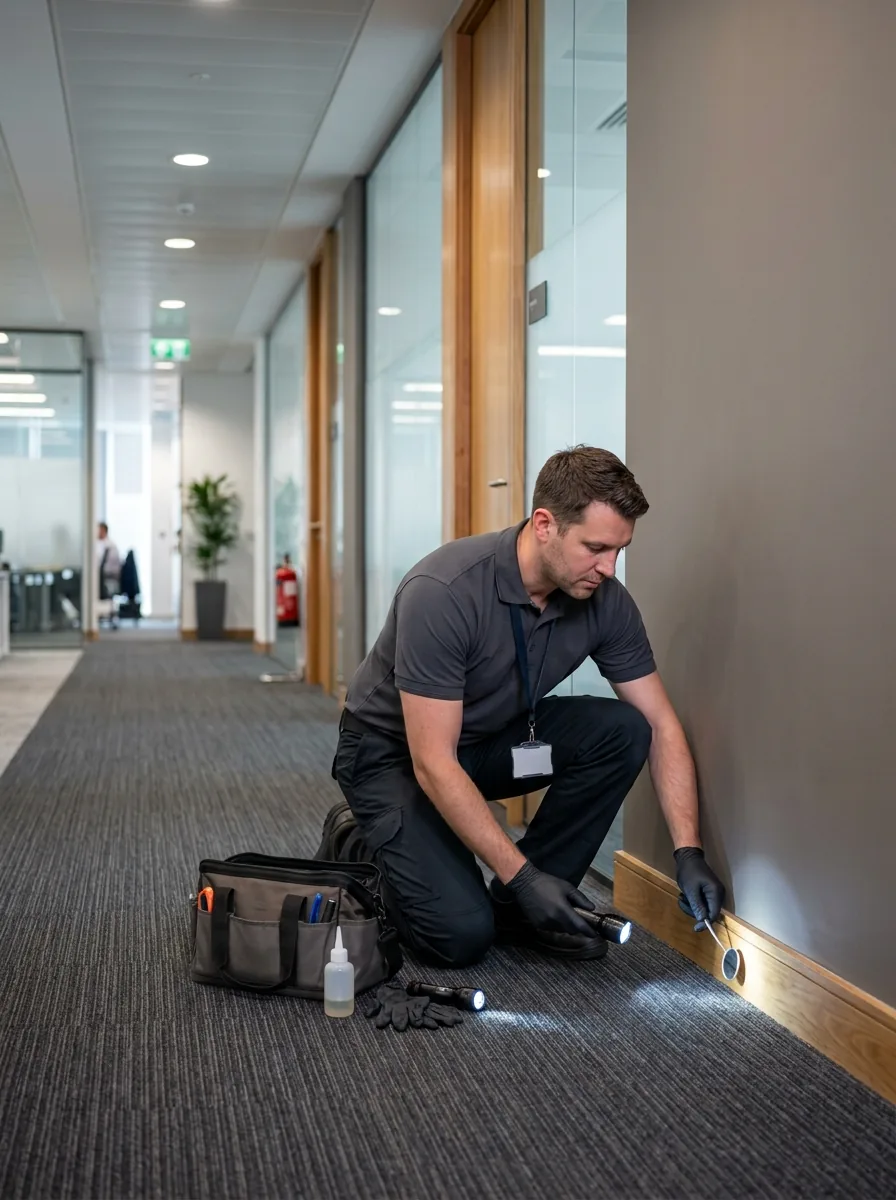
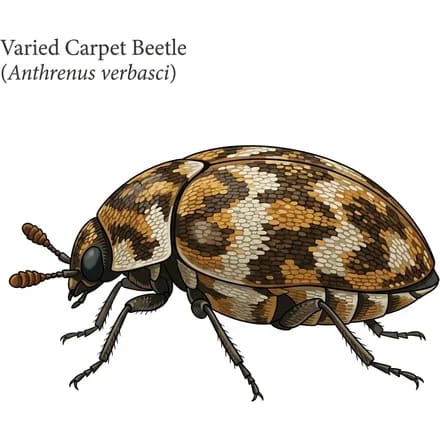
The damage is done by the larvae, in the places nobody looks — carpet edges, under furniture, the back of a wardrobe.
Learn more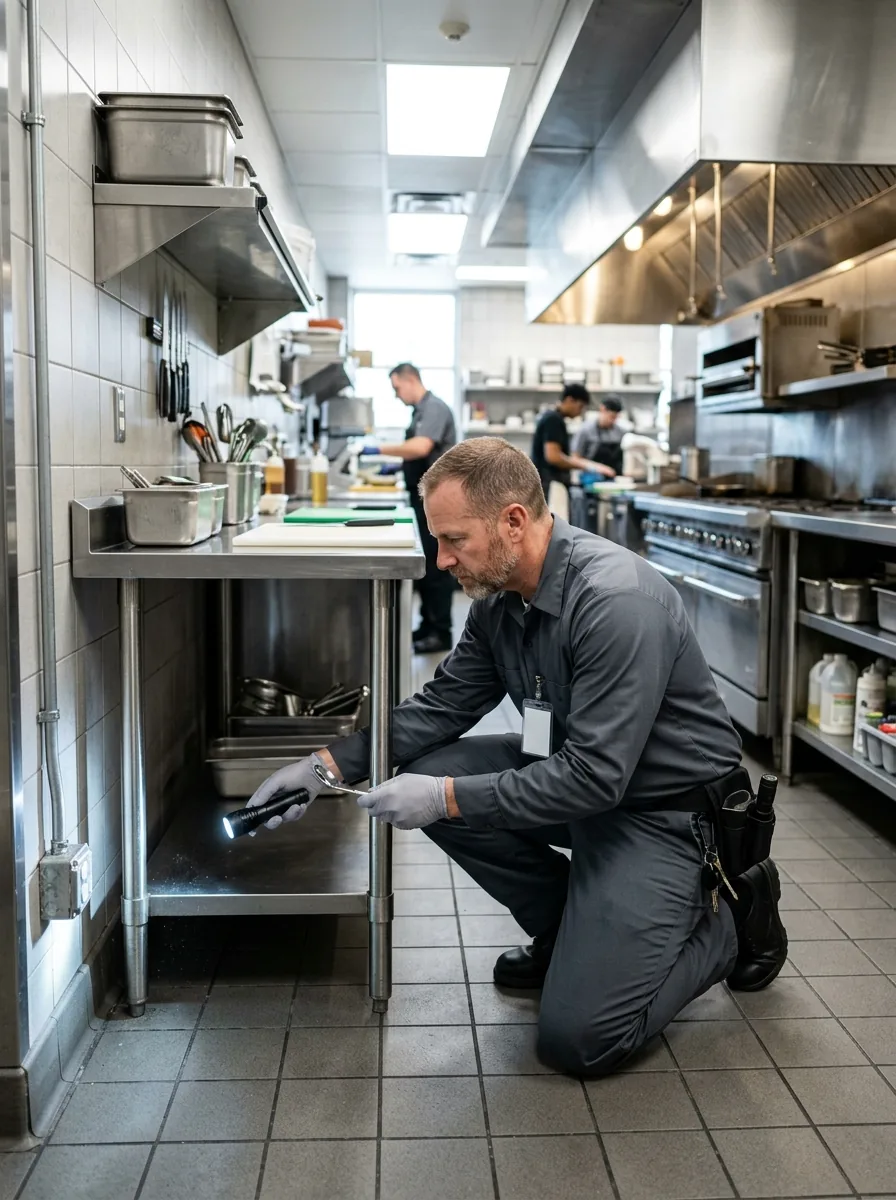
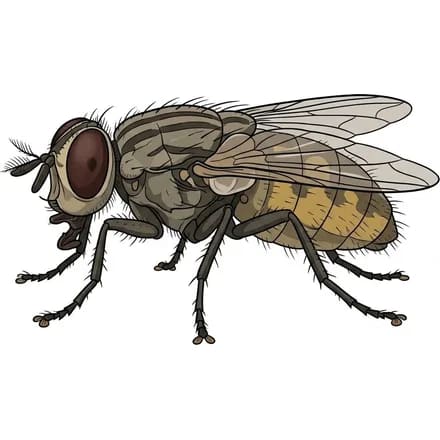
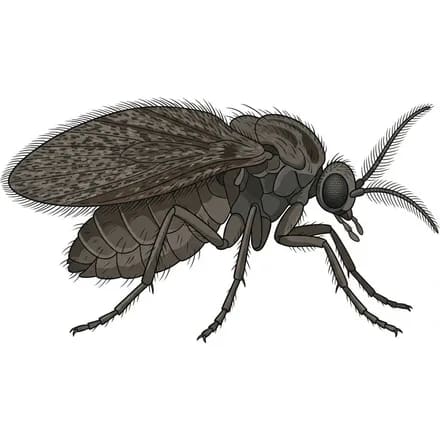
A sudden indoor fly problem almost always has a source — a breeding site, a drain, or something dead in a void.
Learn more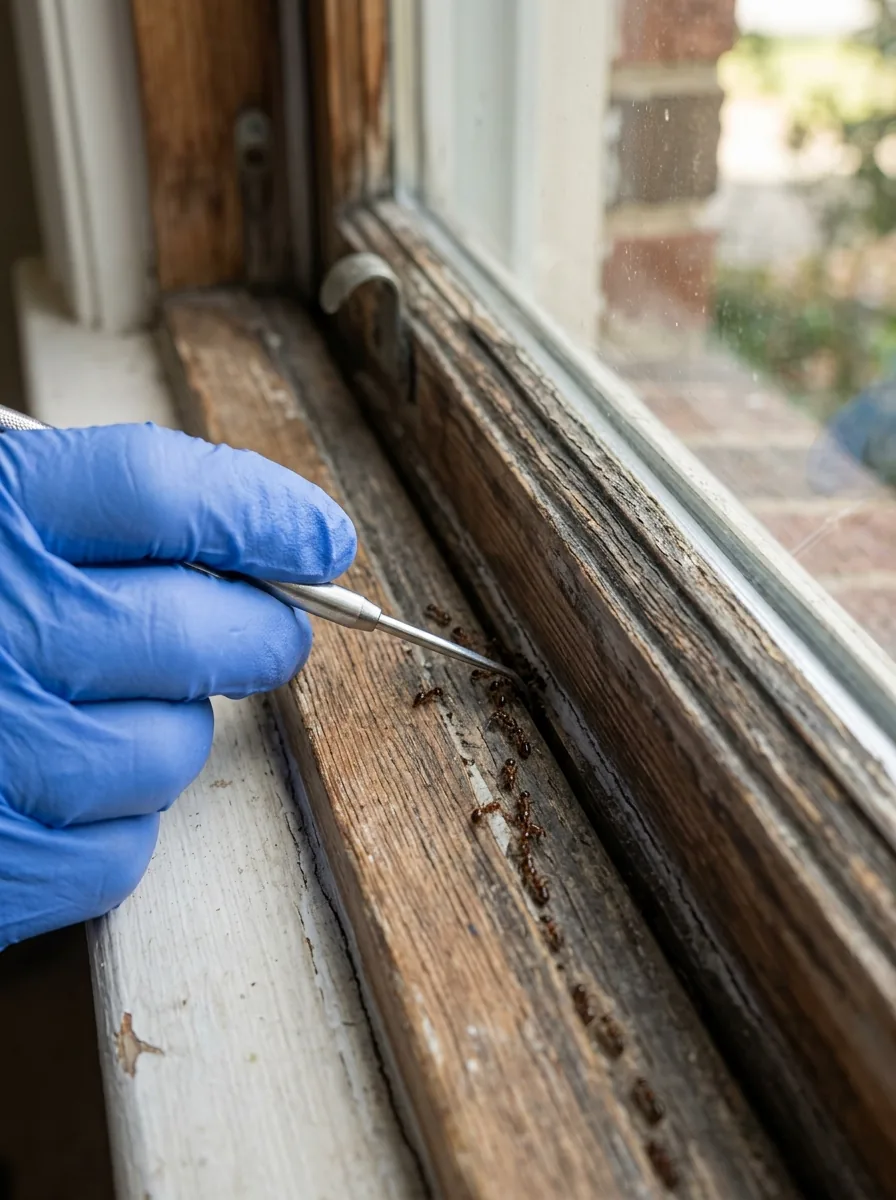
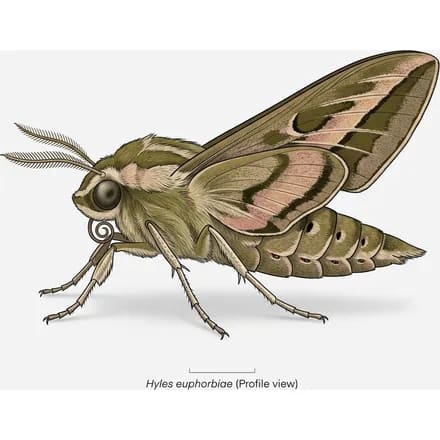
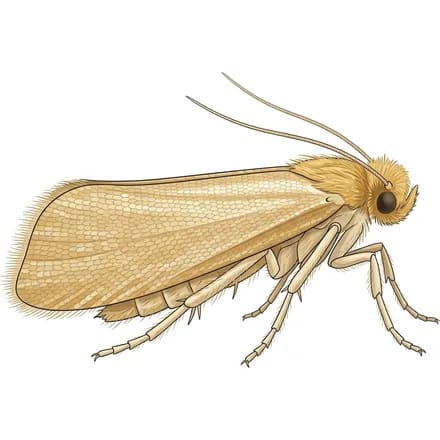
The moths flying around the room are the adults. The damage is being done by larvae in the dark, on wool you are not looking at.
Learn moreWhat we remove
Most London call-outs come down to a familiar handful. If what you have found is not here, it is still worth a call — identifying it is the first part of the job.
Not sure what you are dealing with? Start there.
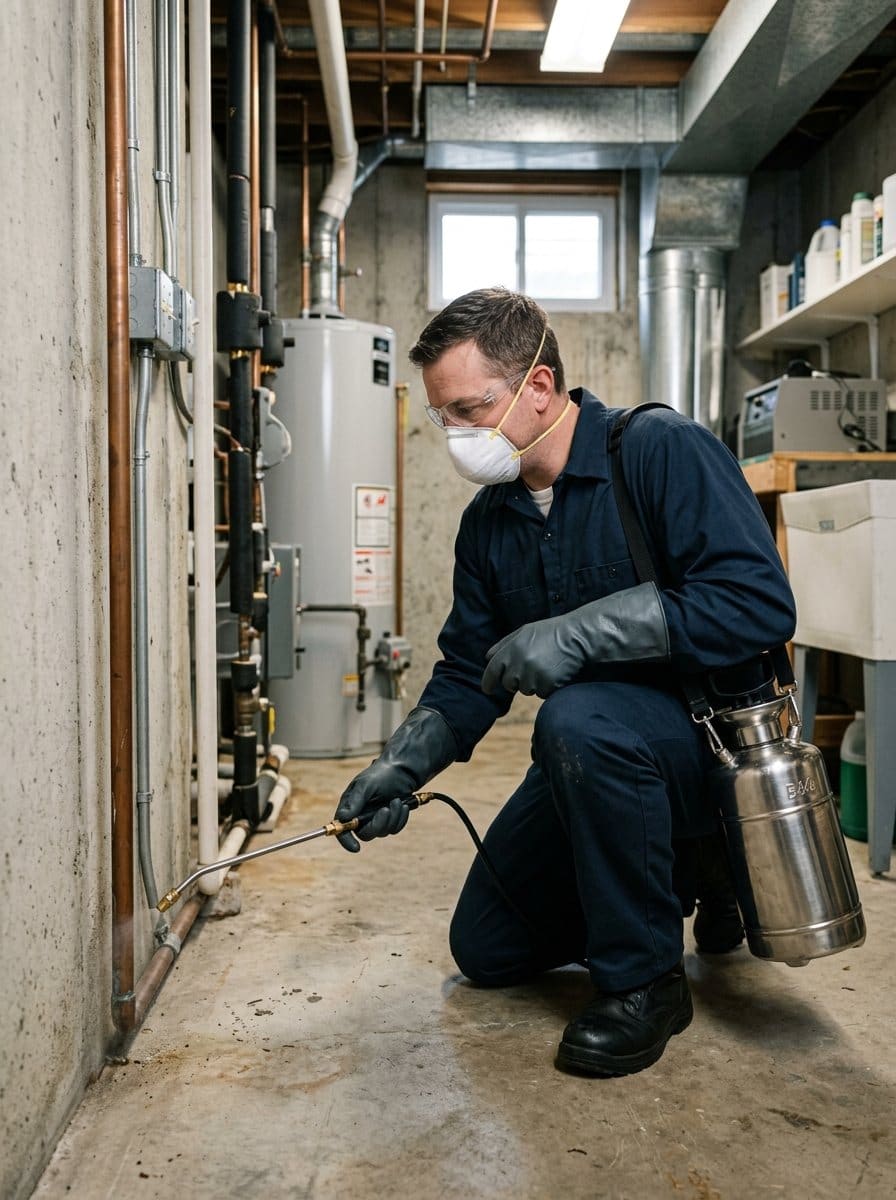
Open 24 hours
Call and describe what you have found. We will talk it through, tell you what it is likely to be and arrange an inspection. The line is open 24 hours, which matters when it is a commercial kitchen on a Friday night or a rat in the loft at two in the morning.
Open 24 hours · London and nearby areas
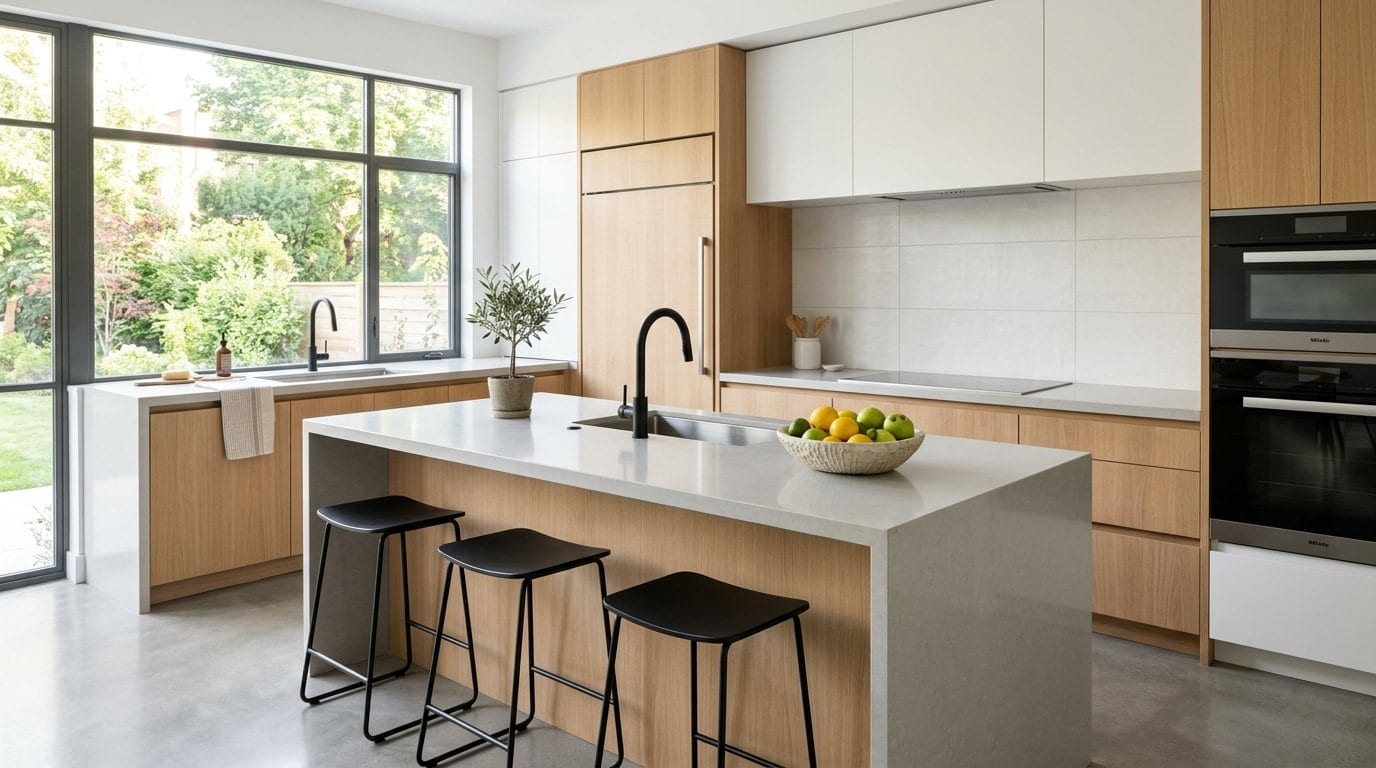
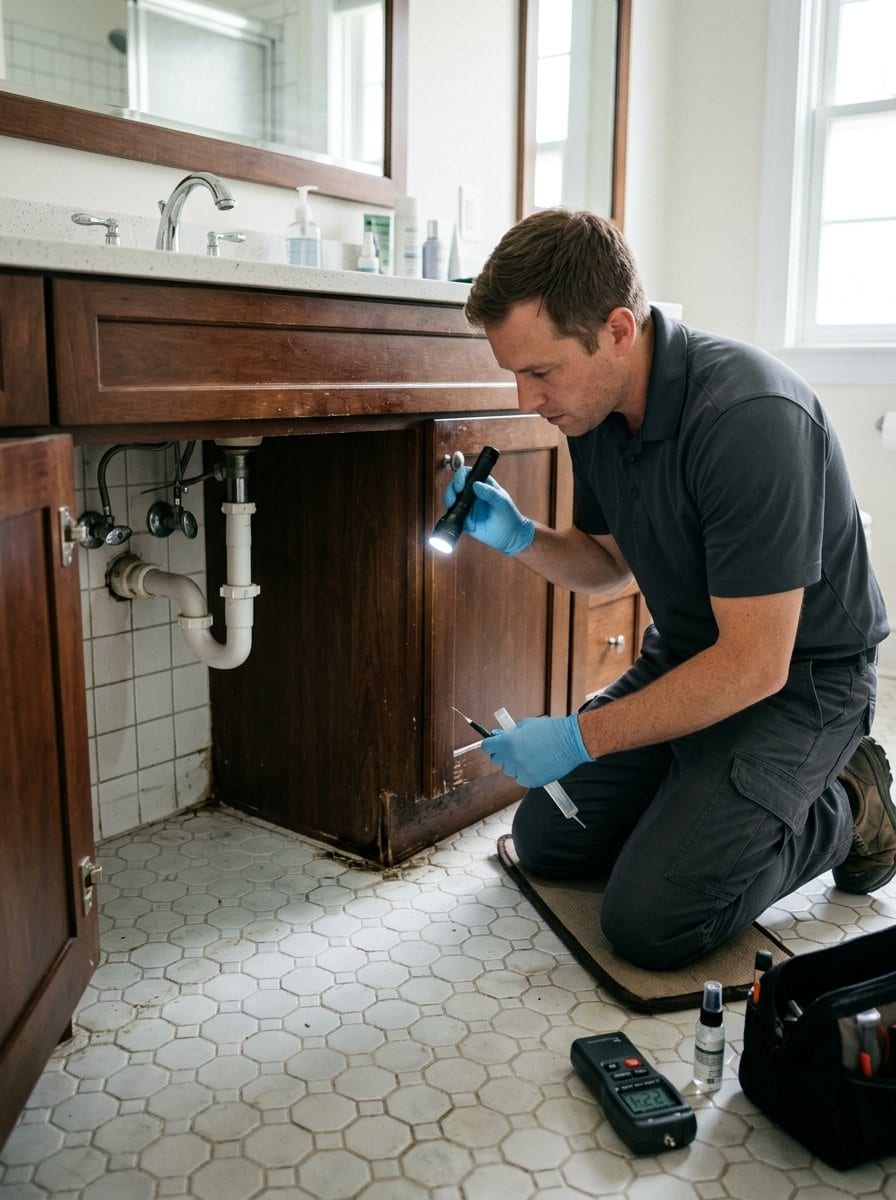
Finding something in your own home is unsettling in a way that is separate from the practical problem, and most people want two things: to know what it is, and to know it is being dealt with properly. That is what an inspection gives you.
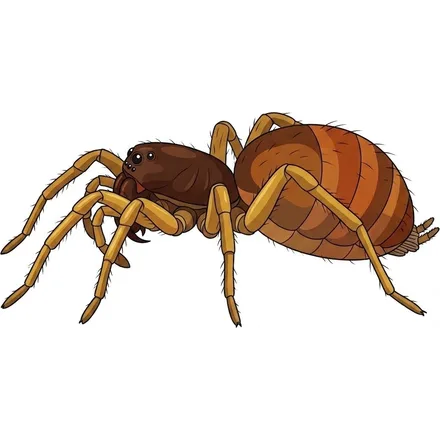
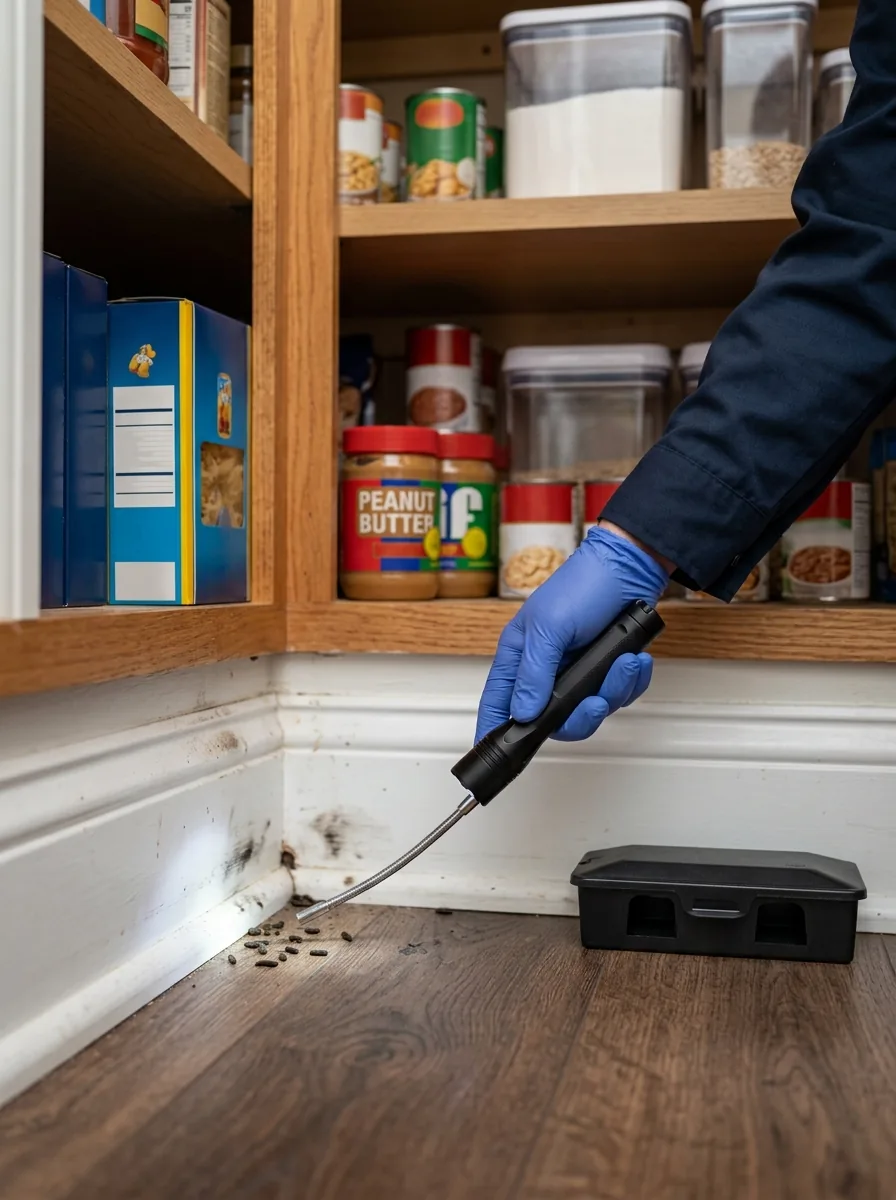
The pests we see most often in London homes are mice and rats, cockroaches in flats, bed bugs in bedrooms, ants in kitchens, fleas where there are pets, spiders in garages and cellars, and wasps in roofs and soffits through the summer. Several of them are as much a question about the building as about the pest — a gap behind a kickboard, an open airbrick, a shared riser between flats.
We will tell you what we found and what needs doing, including when part of the answer is a repair rather than a treatment. Nothing about having pests reflects on how clean your home is, and we do not treat it that way.

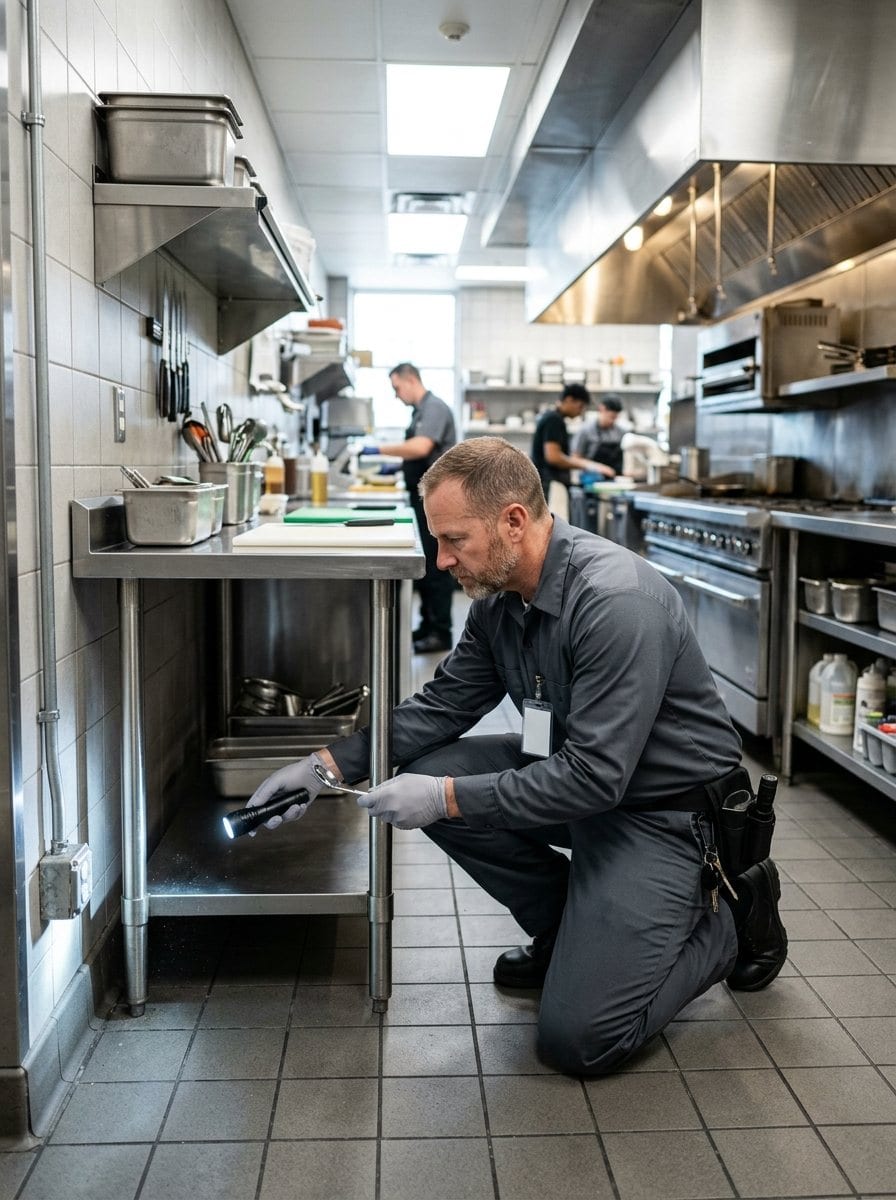
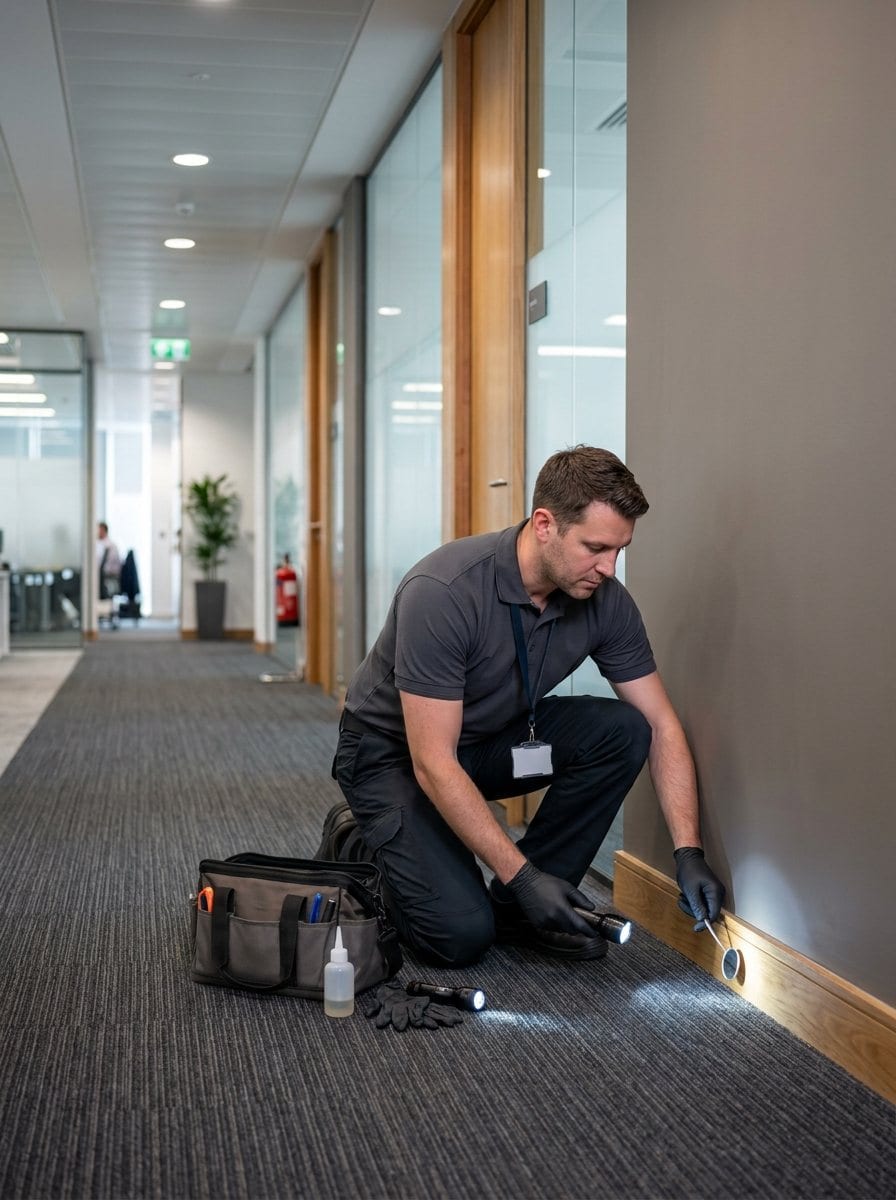
In a business, a pest problem is rarely just a pest problem. It affects hygiene, it affects how the premises operate day to day, and it affects what customers and staff think when they see something. In food premises it is also a direct compliance issue.
We work in restaurants, cafés and pubs, offices, shops and retail units, warehouses and other commercial properties across London. The work is the same in principle as in a home — identify what is there, find how it is getting in, treat it properly — but the risk points are different: deliveries and packaging, refuse areas, drains and gullies, ducting, under-counter equipment, storage and stock rotation.
Dense parades and shared service yards also mean neighbouring premises matter. Where the inspection shows the source is outside your unit, you will be told, because that changes what can realistically be achieved inside it.
Why EVO
No inflated claims, no invented credentials. Here is what you actually get when you call.
We work across London and nearby areas, in homes, flats and commercial premises. Knowing the building stock — Victorian terraces, converted flats, dense restaurant parades — is a large part of knowing where to look.
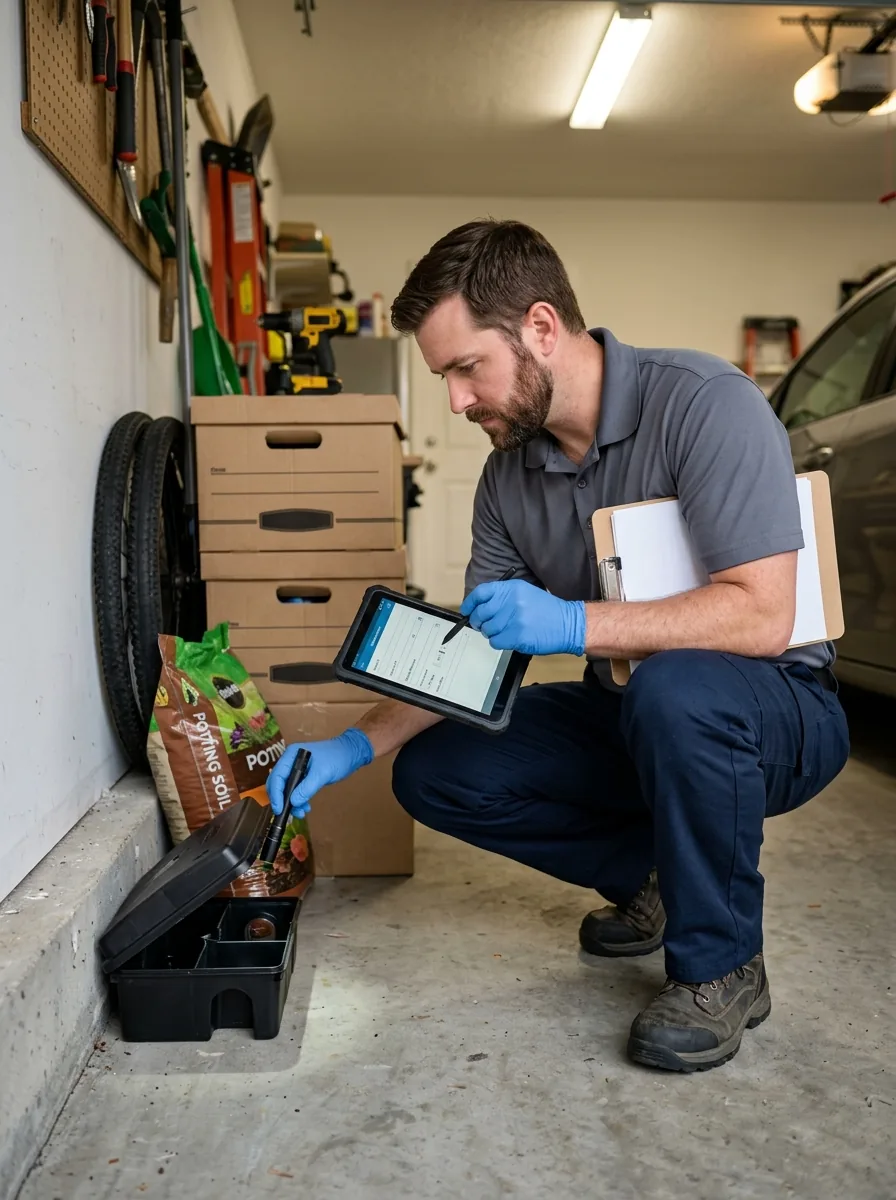
Every job starts by identifying what is actually there, how far the activity extends and how it is getting in. Treating a guess is how problems come back.
Houses, flats and HMOs, and business premises including restaurants, offices, shops and warehouses. Each has its own pressures, and the approach is planned around them.
The line is open 24 hours. Pest problems do not keep office hours, and neither does a cockroach in a commercial kitchen at eleven at night.
You get told what was found, what is being done and what to expect afterwards — including when the honest answer is that nothing needs treating, or that the real fix is a builder.
Our Google Business Profile holds a 5.0 rating from 74 reviews. They are written by customers and they sit on Google, which is where we would rather you read them.
How it works
Four steps, no surprises. You know what is happening at each stage and why.
Call and describe what you have seen, heard or found, and where. Even a partial description usually narrows it down considerably before anyone arrives.
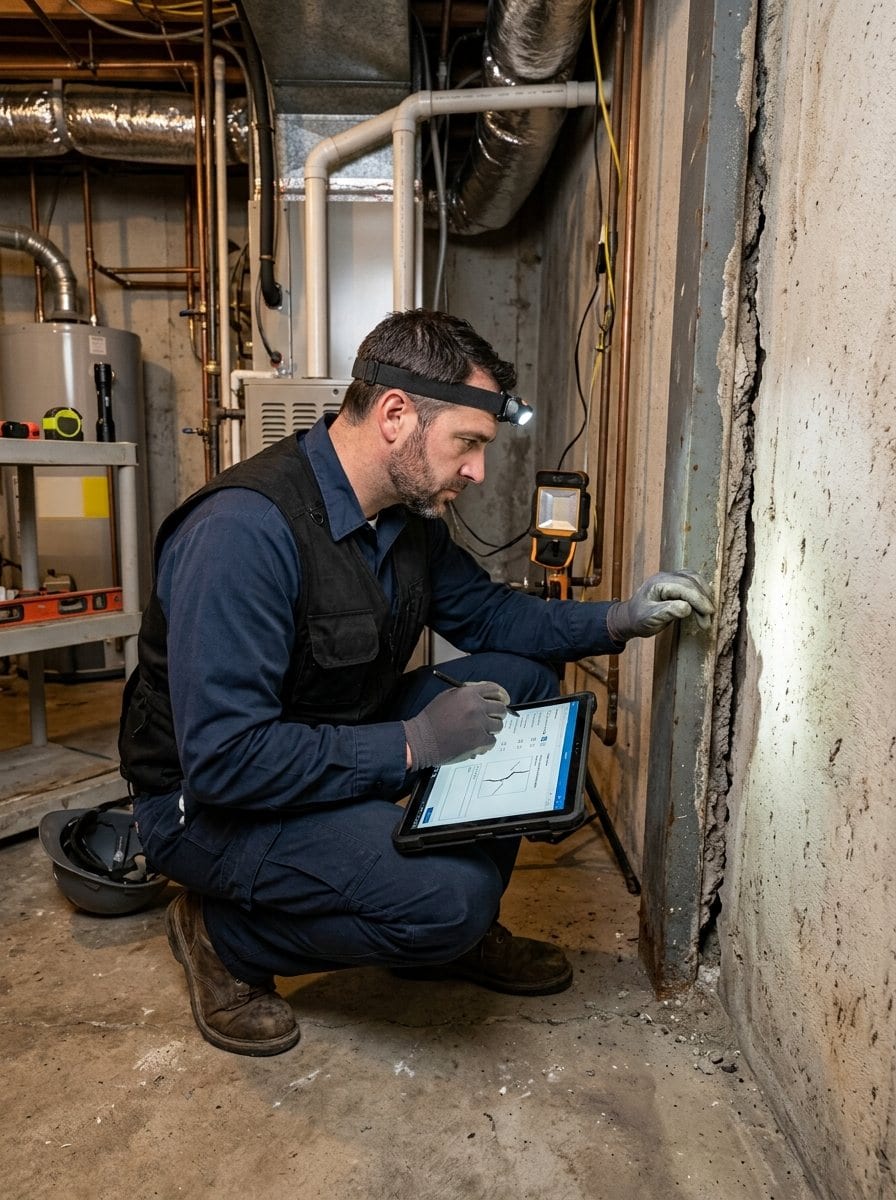
We look at the affected areas and the places pests actually shelter — voids, under units, roof spaces, external ground level — to identify the pest and the route in.
You get told what was found and what we propose to do about it, before anything is applied. If proofing or a repair is the real answer, we will say so.
We carry out the treatment and explain what to expect. Where the pest needs a programme rather than a single visit, that is planned and said up front.
Customer reviews
Our Google Business Profile carries a 5.0 rating from 74 reviews. The reviews themselves are written by customers and live on Google, so that is where we would rather you read them — in their own words, not ours.
Opens our Google profile in a new tab.
5.0
74 Google reviews
Rated 5.0 out of 5 across 74 reviews on our Google Business Profile.
What we deal with
From a rat in a loft to a cockroach behind a commercial fridge, the work is the same in shape: find where it lives, find how it got in, treat it properly.
Where we work
EVO Pest Control is based at 1 Fulham Palace Rd, London W6 8AB and serves customers across London and the surrounding areas, in both residential and commercial properties.
Working across London means working across a lot of different building types, and the building usually explains the pest. Victorian and Edwardian terraces have suspended timber floors, subfloor voids and ageing underground drainage. Converted flats have shared risers, party wall penetrations and continuous ceiling voids that let mice and cockroaches move between units. Purpose-built blocks have service runs that do the same thing. Commercial parades have shared refuse areas and service yards that can keep re-supplying a site that has just been treated.
That is why the inspection looks at the structure and not only at the room where something was seen — and why, when the source turns out to be next door or in the shared parts of a building, we tell you rather than keep treating a symptom.
Get in touch
Calling is the fastest way to get an answer — you can describe what you have found and we can tell you what it is likely to be there and then. If you would rather write it down, the form does the same job.
Request an inspection
Step 1 of 4: Problem
Prefer to talk? 07886 109682