

Pest Control
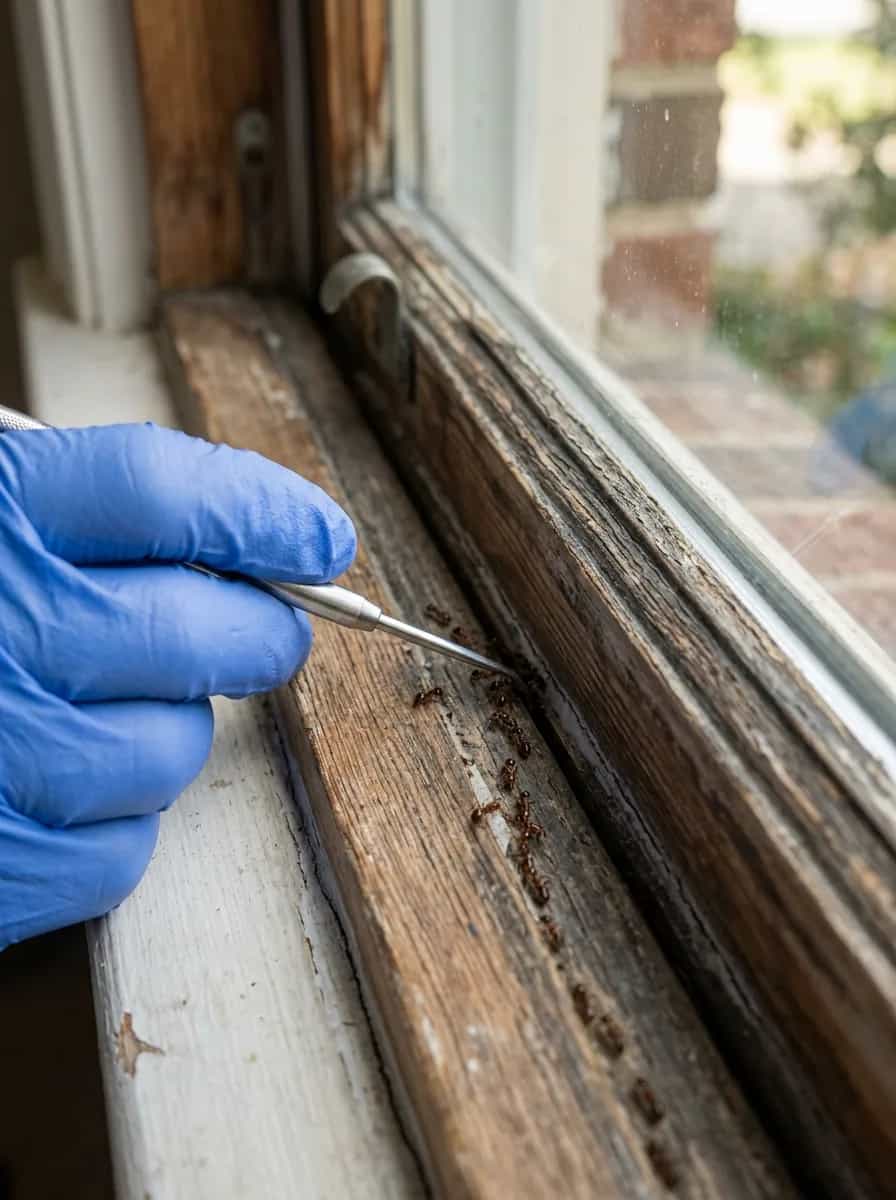
Not sure what you are dealing with? Start here. An inspection tells you what it is before anything is treated.
Learn morePest control services
View all servicesInsects
Rodents
Areas we cover
All areasNot listed?
We cover more than we have pages for.
Tell us the postcode and we will say straight away whether we can reach you.
Call 07886 109682London Pest Control
Adult clothes moths do not eat anything. Every hole in a jumper or a rug was made by a larva, somewhere dark and undisturbed.
The problem
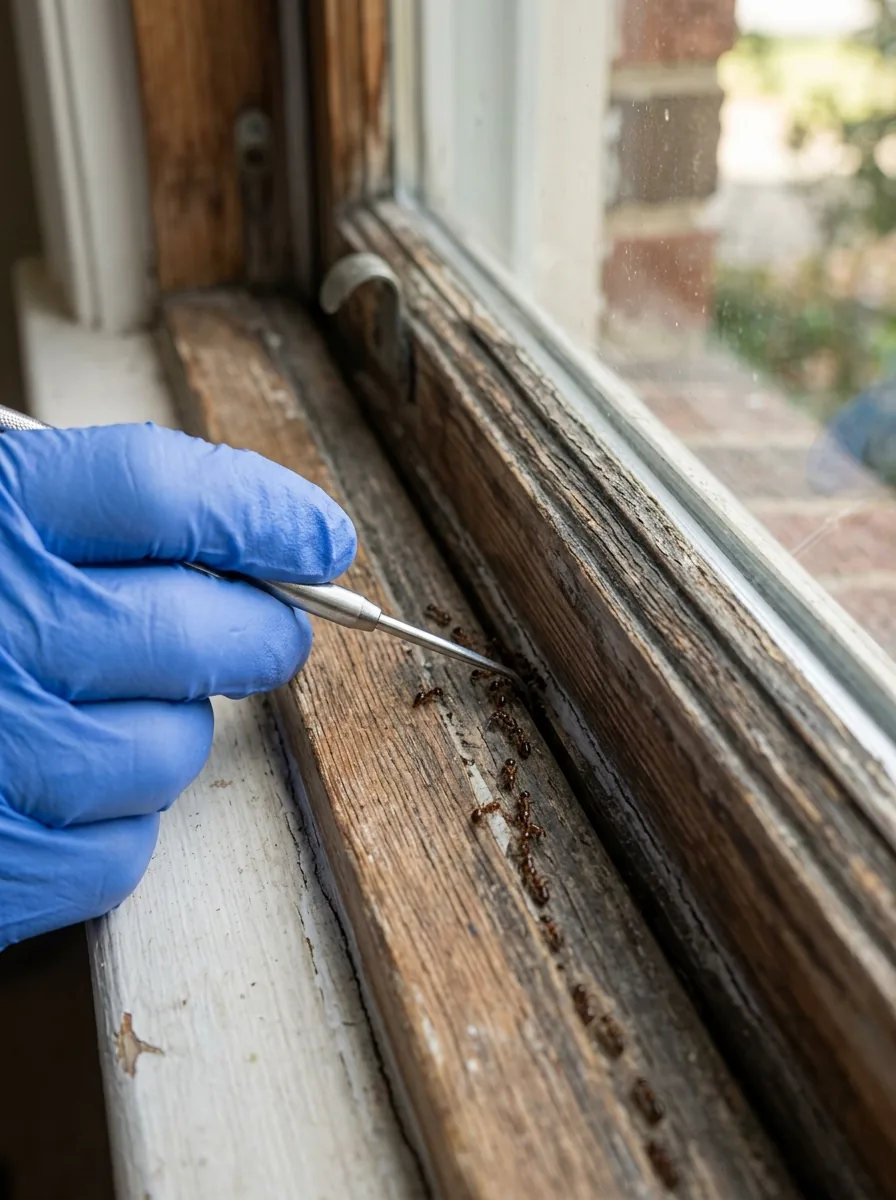
The common clothes moth is the species behind most textile damage in London homes. The adults are small, buff-coloured and avoid light — they tend to run or flutter rather than fly at a lamp, which is one way of telling them from the pantry moths that come out of a food cupboard. Adults have no functioning mouthparts and cause no damage at all. Their only role is to lay eggs.
The larvae feed on keratin, which means wool, cashmere, silk, felt, feather and fur, and they do it in the places least likely to be disturbed: under a wardrobe, beneath a bed, along the carpet edge behind furniture, inside a stored suit bag, in the fold of a rug that has not been lifted in years. The damage in an open, well-used room is usually minor; the damage under the furniture in the same room can be severe.
Pantry moths are an unrelated problem with the same name attached. They breed in dry stored food — flour, grain, cereal, rice, nuts, dried fruit, pet food and birdseed — and are usually introduced in a packet bought already infested. They fly readily and are drawn to light, and the fix is a thorough turnout of the cupboard rather than a textile treatment.
Signs to look for
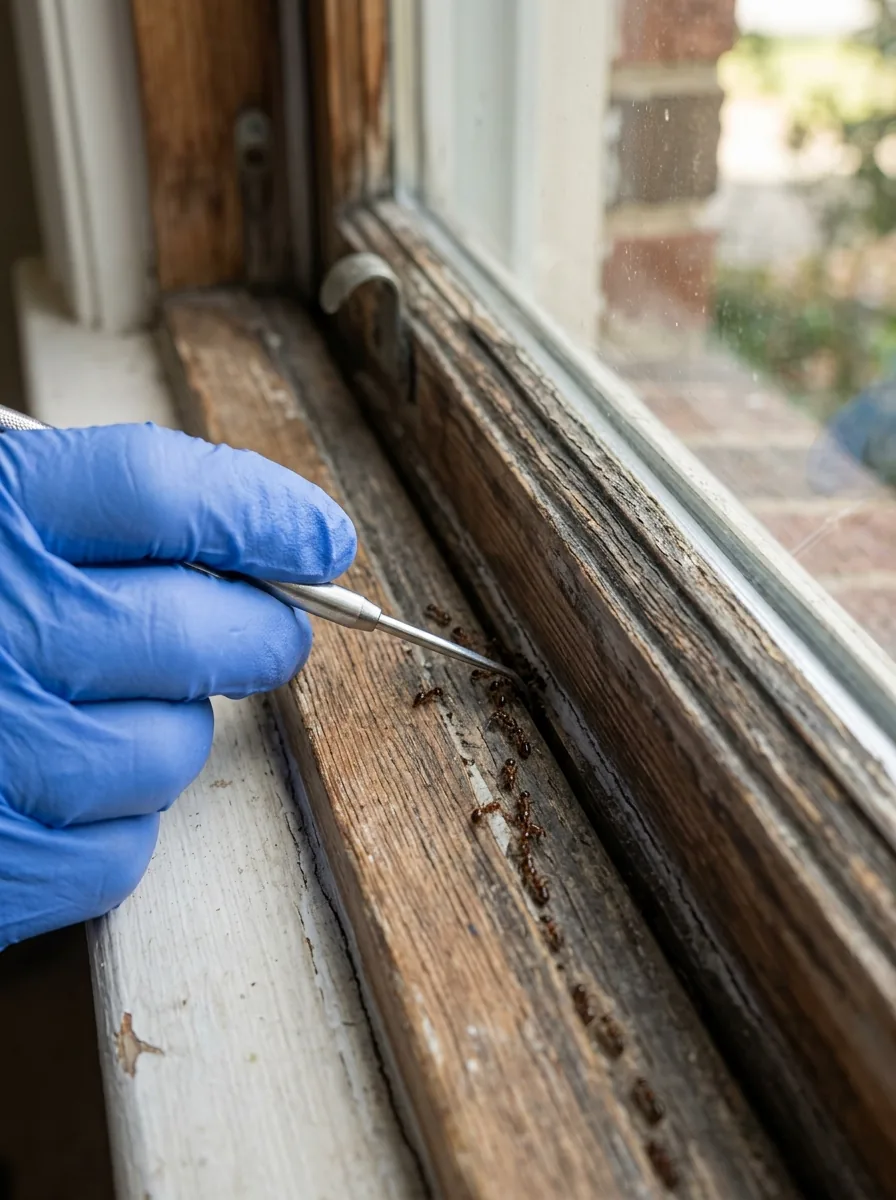
Moth problems are usually noticed at the point the damage is already done:
Why it needs doing properly
Killing the adults in the air changes nothing about the damage, because the adults are not feeding. Unless the larvae and eggs are reached where they actually are, the cycle continues and the next generation appears a few weeks later.
Finding where the larvae are is the part that needs doing properly. It means lifting and looking under the things that never move, checking carpet edges and gripper rods, and going through stored textiles item by item. A treatment applied to the open floor of a bedroom is largely wasted effort.
Species identification matters too. Clothes moth and carpet beetle damage are routinely confused, and pantry moths need a completely different response from either. Treating the wrong one costs a visit and leaves the real problem running.

Open 24 hours
Call and describe what you have found. We will tell you what it is likely to be, what the inspection would involve and what happens next. The line is open 24 hours.
Open 24 hours · London and nearby areas
Treatment deals with what is there now. These are the things that reduce the chance of it coming back.
Period properties with wool carpet, fitted wardrobes and cupboards built into chimney breasts give clothes moths a great deal of undisturbed space to work in, and the problem tends to be worst in the rooms that are used least — spare bedrooms, box rooms and the corners of large reception rooms. Flats in converted houses can also share a problem between units through floor voids and common walls, and old bird nests in roof voids above top-floor flats act as a reservoir in the same way they do for carpet beetles.
EVO Pest Control works across London and nearby areas, in homes and in commercial premises, from 1 Fulham Palace Rd, London W6 8AB.
Areas we coverQuestions
If your question is not here, call and ask. It is a quick conversation and it usually saves a visit either way.
07886 109682Because the adults you were killing do not eat. The damage is done by larvae feeding in places you are not looking — under furniture, along carpet edges, inside stored clothing. Until those are treated, the cycle carries on.
Behaviour and location. Clothes moths avoid light, tend to run rather than fly, and are found near textiles. Pantry moths fly readily, come towards lights, and come out of a food cupboard. They need completely different treatment.
They may deter adults from laying in a sealed container, which is worth something for stored clothing. They will not clear an established population in a carpet or a wardrobe, because they do nothing about larvae already feeding.
Mostly, since the larvae need keratin. But wool underlay, wool-blend carpet and natural-fibre rugs laid on top are all food, so a synthetic surface is not a guarantee.
Not usually. Most items can be saved by laundering hot, professional cleaning or freezing, and we will go through which of those applies. Heavily damaged items are a different question, and we will say plainly when something is not worth treating.
More services
Not sure what you are dealing with? Start here. An inspection tells you what it is before anything is treated.
Learn more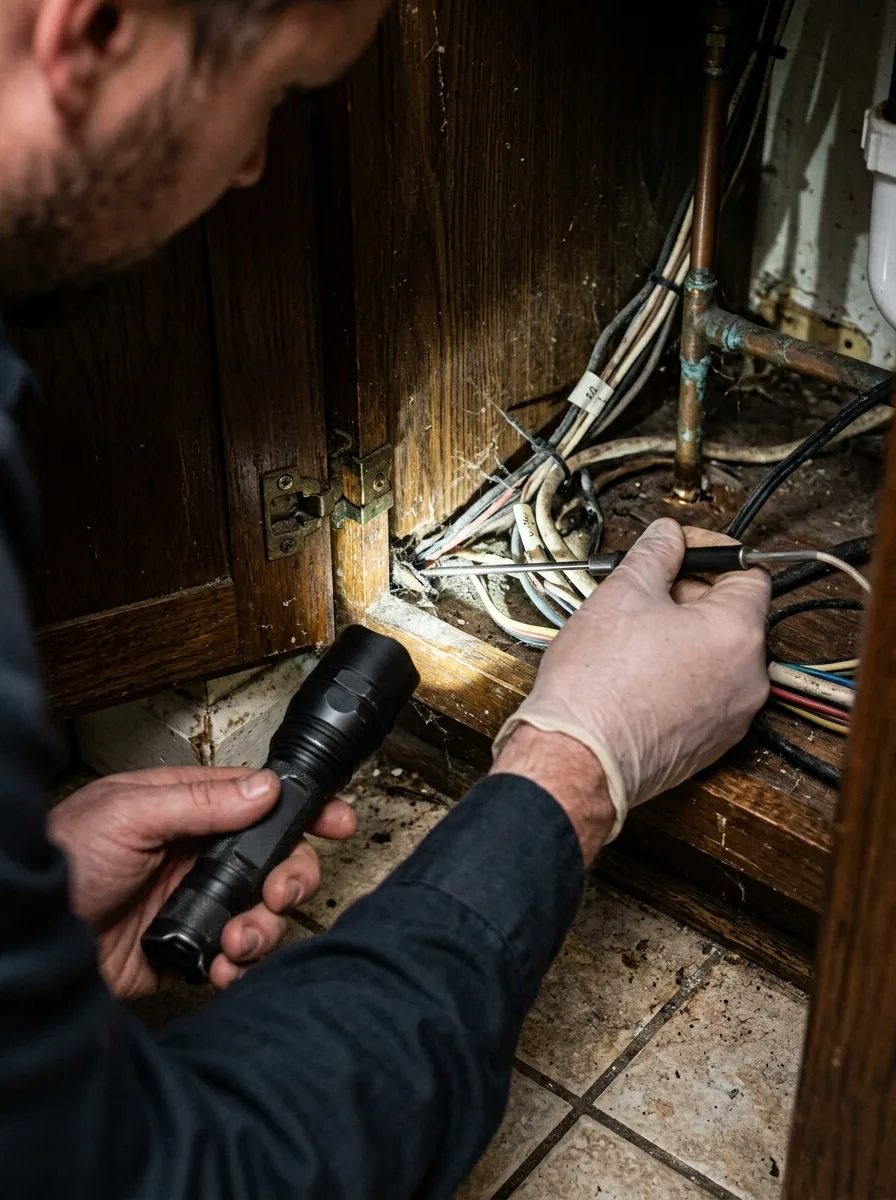
Bed bugs live in seams, joints and fixings within a few feet of where people sleep. Finding them takes a slow, methodical search.
Learn more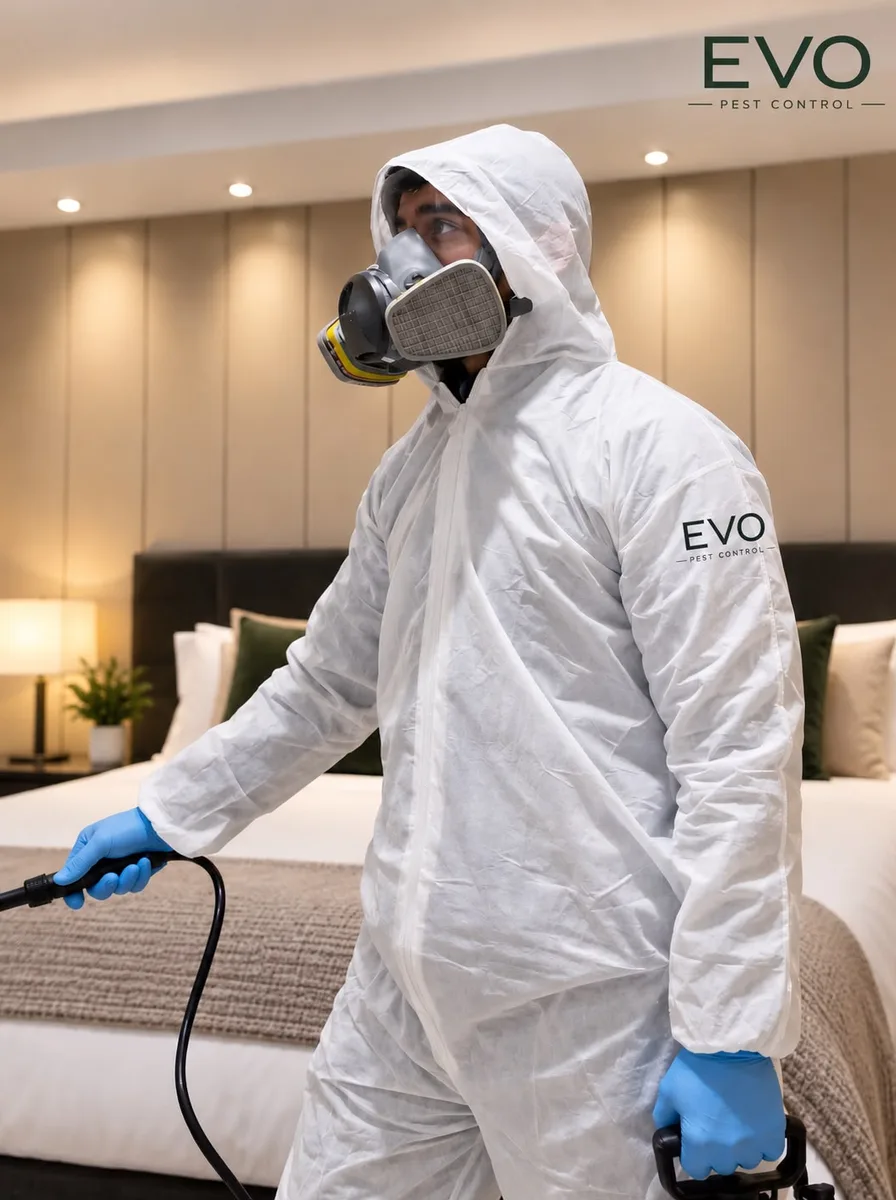
Most of a flea population is in the carpet, not on the pet. Treating the animal alone leaves the rooms untouched.
Learn more