


Pest Control
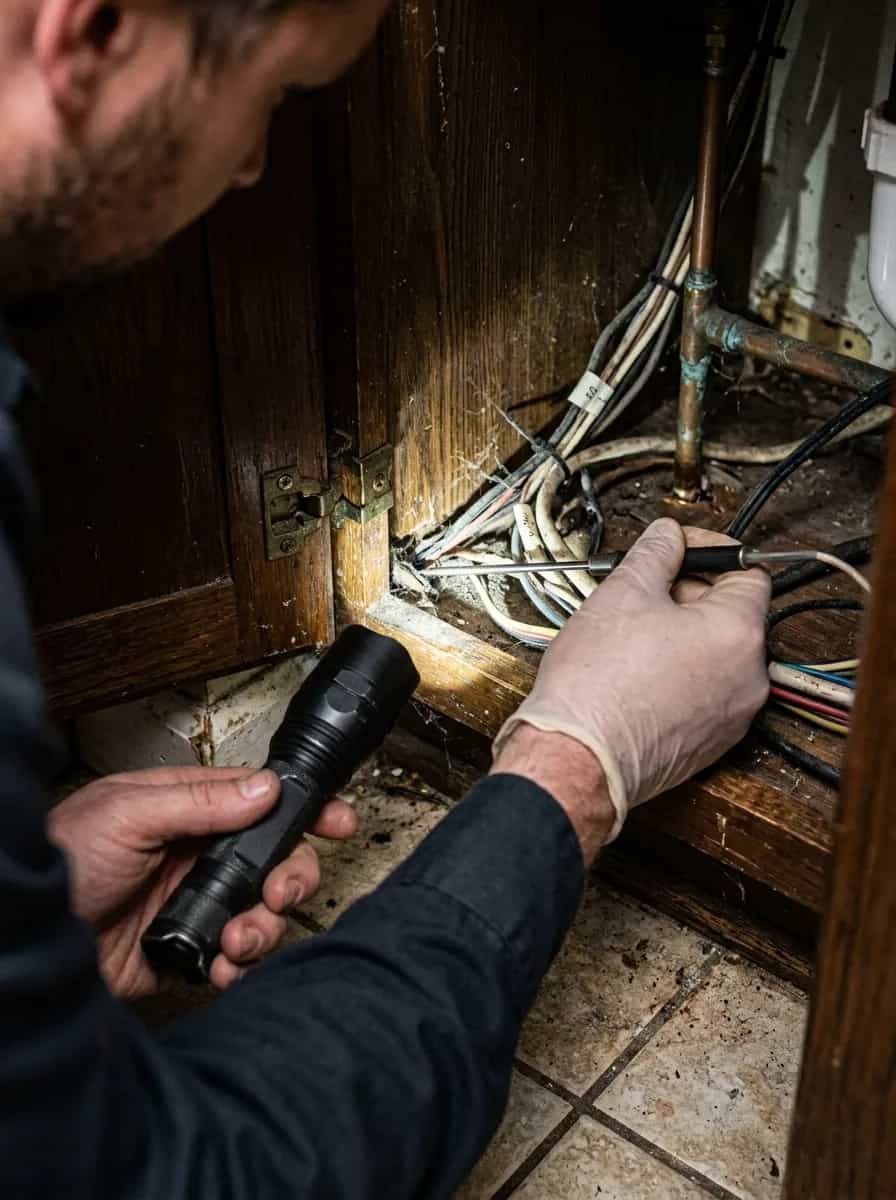
Not sure what you are dealing with? Start here. An inspection tells you what it is before anything is treated.
Learn morePest control services
View all servicesInsects
Rodents
Areas we cover
All areasNot listed?
We cover more than we have pages for.
Tell us the postcode and we will say straight away whether we can reach you.
Call 07886 109682London Pest Control
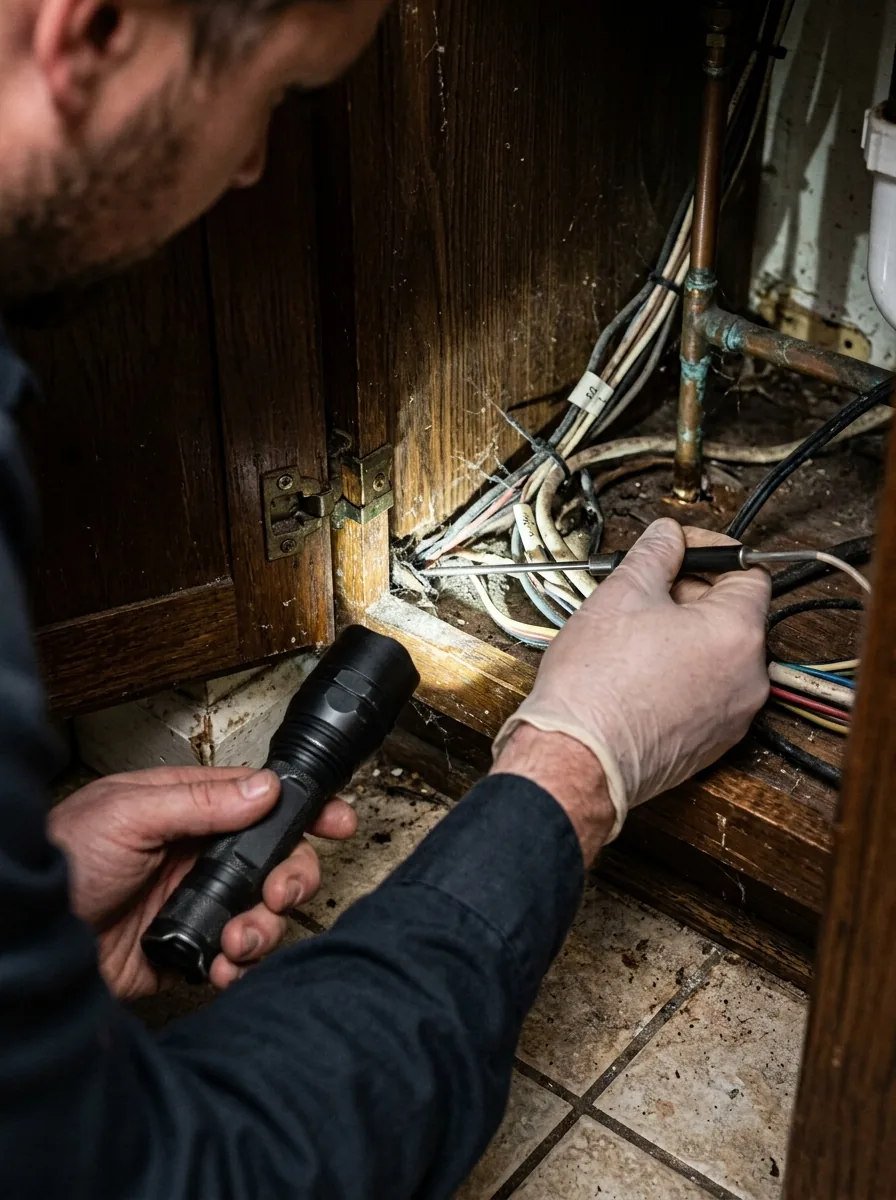
Bed bugs are found, not spotted. They sit in seams, screw holes and frame joints within a few feet of the bed, and the inspection is what makes the treatment work.
The problem
Bed bugs feed on blood at night and spend the rest of the time hidden in tight, dark crevices close to where someone sleeps. That is usually the mattress seam and label, the slats and joints of the bed frame, the headboard fixings and the wall behind it — and then, as a population grows, the bedside table, the skirting, the curtain hem and the edge of the carpet.
They are flat enough to sit in a gap you would not think twice about, which is why they are so often missed. They also travel on luggage, second-hand furniture and bags rather than walking in from outside, so a bed bug problem has almost always been carried into a property rather than caused by it. Nothing about it reflects on how clean a home is.
Bites are the usual first sign, but bites alone are not a diagnosis — people react very differently and some do not react at all. Physical evidence is what confirms it.
Signs to look for
What actually confirms bed bugs, rather than suggests them:
Why it needs doing properly
Bed bugs hide across a whole room, not in one item, and they tolerate a lot. Throwing out the mattress is a common first reaction and rarely solves anything — the remaining population simply stays in the frame, the skirting and the furniture, and the new mattress is reached within days.
Eggs are also glued into crevices and are not reached by most surface products, so a treatment that ignores the hatch cycle gives you a few quiet weeks and then a return.
The other risk is spread. Moving an affected mattress through a flat, or sleeping in a different room to escape the bites, usually moves the problem rather than escaping it. We will tell you where to sleep and what not to move before treatment begins.

Open 24 hours
Call and describe what you have found. We will tell you what it is likely to be, what the inspection would involve and what happens next. The line is open 24 hours.
Open 24 hours · London and nearby areas
Treatment deals with what is there now. These are the things that reduce the chance of it coming back.
Bed bugs are a well-known issue in London simply because of how much movement there is — house shares, short lets, hotels, second-hand furniture and daily commuting all give them routes between properties. In converted flats and HMOs they can also move between units along shared voids and pipework, so if the inspection suggests the problem is not confined to one room or one flat, we will say so.
EVO Pest Control works across London and nearby areas, in homes and in commercial premises, from 1 Fulham Palace Rd, London W6 8AB.
Areas we coverQuestions
If your question is not here, call and ask. It is a quick conversation and it usually saves a visit either way.
07886 109682They are carried in — on luggage, bags, clothing, or in second-hand furniture and mattresses. In converted buildings they can also move between flats along shared voids and pipework. They do not come in from the garden and have nothing to do with how clean a home is.
Usually not, and doing it before treatment can make things worse. The population is almost never confined to the mattress, and carrying it through the property risks dropping insects along the way. Ask us first — most mattresses can stay.
We will give you specific guidance for your situation. As a rule, moving to a different room or the sofa tends to spread the problem rather than avoid it, so it is worth asking before you change where you sleep.
Bed bug work is a programme rather than a single visit, because eggs continue to hatch after the first treatment. We will set out the intended schedule at the inspection so you know what to expect and when.
We will give you a preparation list specific to your room. It generally involves laundering bedding at a high temperature and bagging certain items — but it also involves leaving some things exactly where they are, so it is worth waiting for the instructions rather than starting early.
More services
Not sure what you are dealing with? Start here. An inspection tells you what it is before anything is treated.
Learn more
Most of a flea population is in the carpet, not on the pet. Treating the animal alone leaves the rooms untouched.
Learn more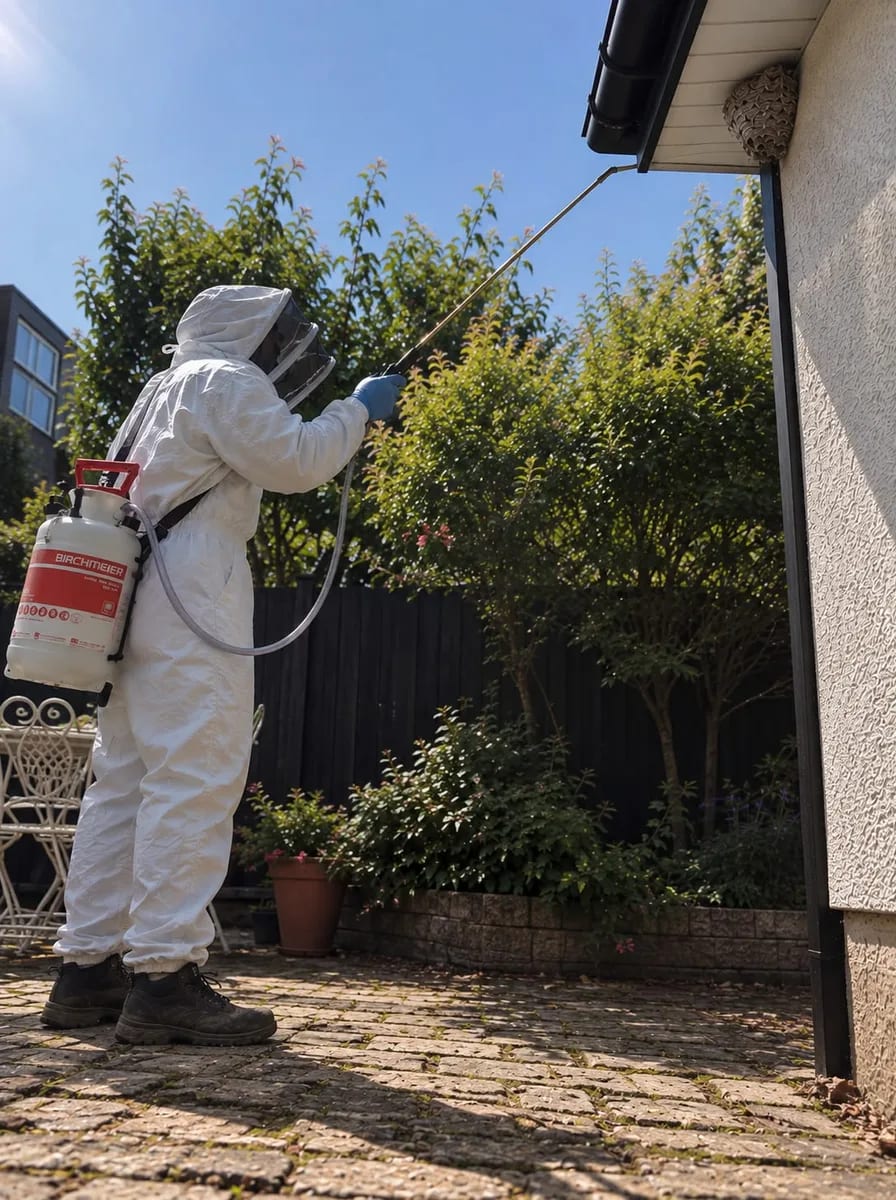
Nests sit in lofts, soffits, airbricks and cavity walls. Treating the nest is quick — reaching it safely is the skill.
Learn more