Pest Control
Not sure what you are dealing with? Start here. An inspection tells you what it is before anything is treated.
Learn morePest control services
View all servicesInsects
Rodents
Areas we cover
All areasNot listed?
We cover more than we have pages for.
Tell us the postcode and we will say straight away whether we can reach you.
Call 07886 109682London Pest Control
Only a small part of a flea population is ever on the animal. The rest is in the carpet, the bedding and the floor joints — which is where treatment has to go.
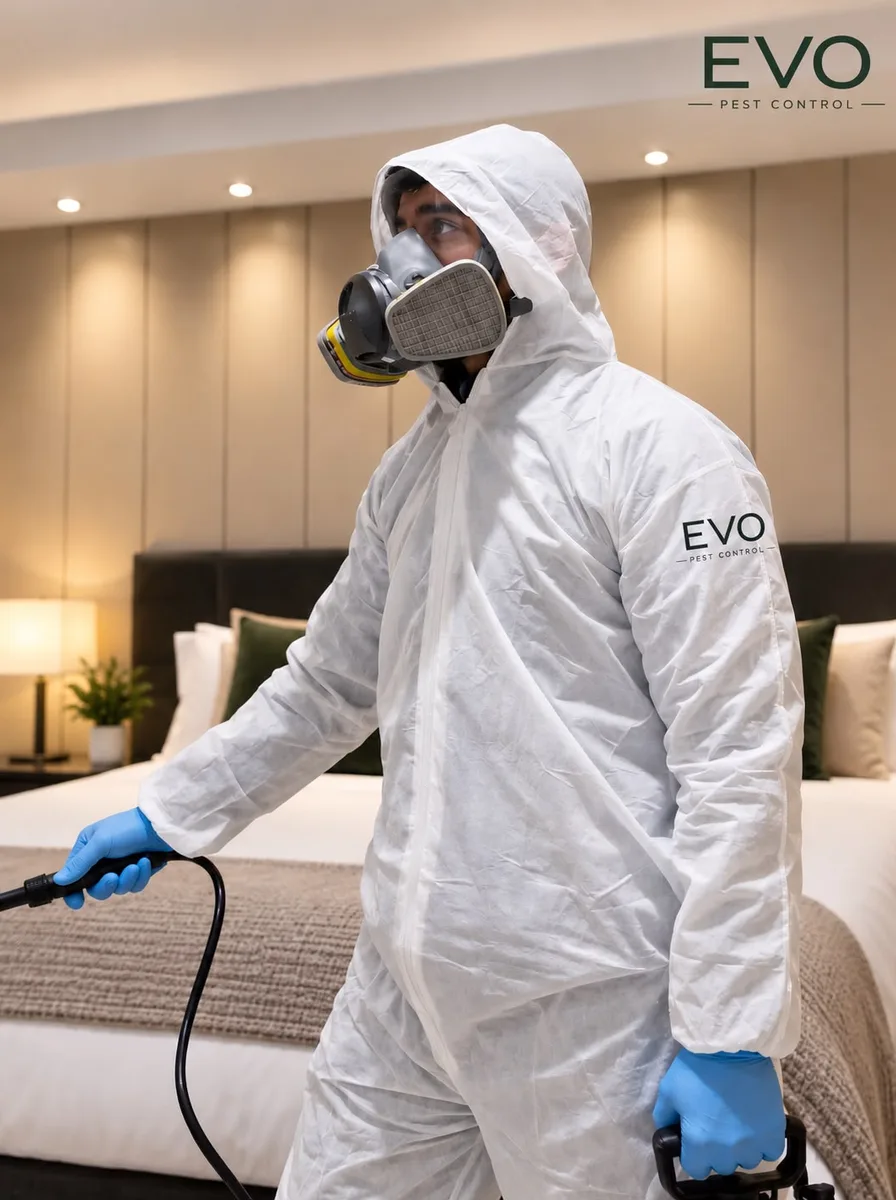
The problem
The cat flea is responsible for the large majority of flea problems in UK homes, including homes with dogs and homes with no pets at all. Adult fleas feed on an animal, but eggs drop off into carpet, bedding, upholstery and floorboard gaps, where they develop through larval and pupal stages before emerging as adults. At any given moment the animal carries only a fraction of the total population.
The pupal stage is what makes fleas frustrating. Pupae are resistant and can sit dormant for weeks or months, waiting for the vibration, warmth and carbon dioxide that signal a host. That is why people moving into a property that has stood empty are sometimes bitten heavily within hours — the previous occupants' pets left a dormant population behind.
Mites are a separate group and the source is usually different. Bird mites come from a nest in a roof void, a soffit or a chimney and move indoors when the nest is abandoned after fledging. That distinction matters: with bird mites, the nest is the problem, and treating the room without dealing with the nest achieves very little.
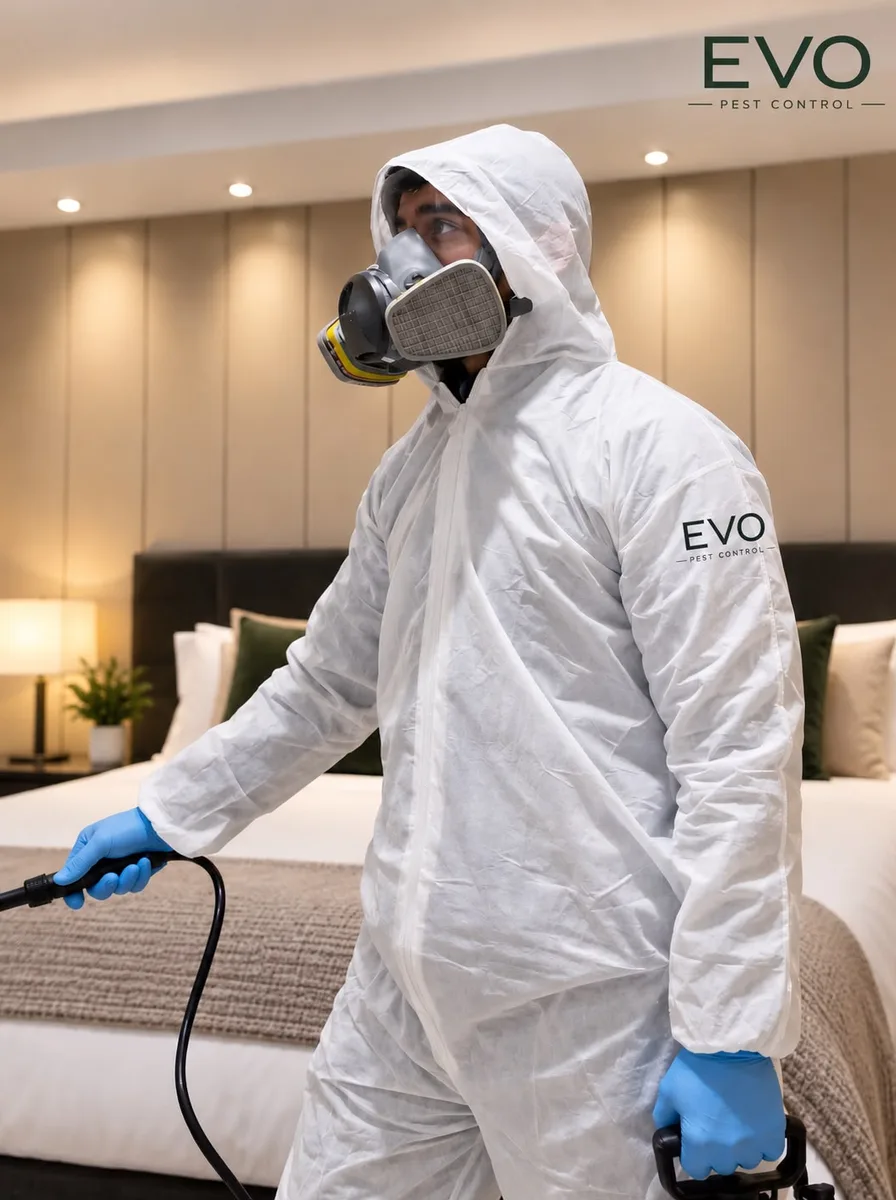
Signs to look for
Fleas and mites are usually identified from bites and from a careful look at the floor:
Why it needs doing properly
Treating the pet is necessary but not sufficient. If the carpet, bedding, upholstery and floor joints are left alone, newly emerged adults simply reinfest the animal and the cycle continues.
The pupal stage is also not reached by most products, so a treatment that does not account for continued emergence gives a quiet week and then a second wave. Knowing that in advance is what stops people concluding the treatment failed.
With mites, the critical step is finding the source. If the source is a bird nest in a roof void or chimney, treating the bedroom is treating the symptom — and the nest needs handling correctly, since wild birds and active nests are legally protected.

Open 24 hours
Call and describe what you have found. We will tell you what it is likely to be, what the inspection would involve and what happens next. The line is open 24 hours.
Open 24 hours · London and nearby areas
Treatment deals with what is there now. These are the things that reduce the chance of it coming back.
London flats with carpeted communal stairs and shared entrances can carry a flea population between units, and foxes moving through gardens and under decking are a regular source in ground-floor and garden flats. Bird mites turn up most often in older properties with open chimneys, worn soffits and accessible roof voids, which describes a great deal of London housing.
EVO Pest Control works across London and nearby areas, in homes and in commercial premises, from 1 Fulham Palace Rd, London W6 8AB.
Areas we coverQuestions
If your question is not here, call and ask. It is a quick conversation and it usually saves a visit either way.
07886 109682Fleas can be left behind by previous occupants' pets and remain dormant as pupae for months, emerging when someone moves in. They also come from foxes and cats passing through gardens, under decking or into outbuildings.
Yes. We treat the environment; the animal itself is your vet's side of it. Doing only one of the two is the most common reason a flea problem drags on.
Pupae are resistant and continue to emerge for a period after treatment. Some activity afterwards is expected. We will tell you roughly how long that should last and at what point to call us rather than wait it out.
Fleas come from mammals and live in carpet and bedding. Bird mites come from a bird nest — usually in a roof void, soffit or chimney — and move indoors when the nest is abandoned. The treatments differ, and with mites the nest has to be addressed or the problem returns.
Yes, thoroughly, and again afterwards when we tell you to. Vacuuming prompts dormant pupae to emerge, which is exactly what you want them doing while the treatment is active.
More services
Not sure what you are dealing with? Start here. An inspection tells you what it is before anything is treated.
Learn more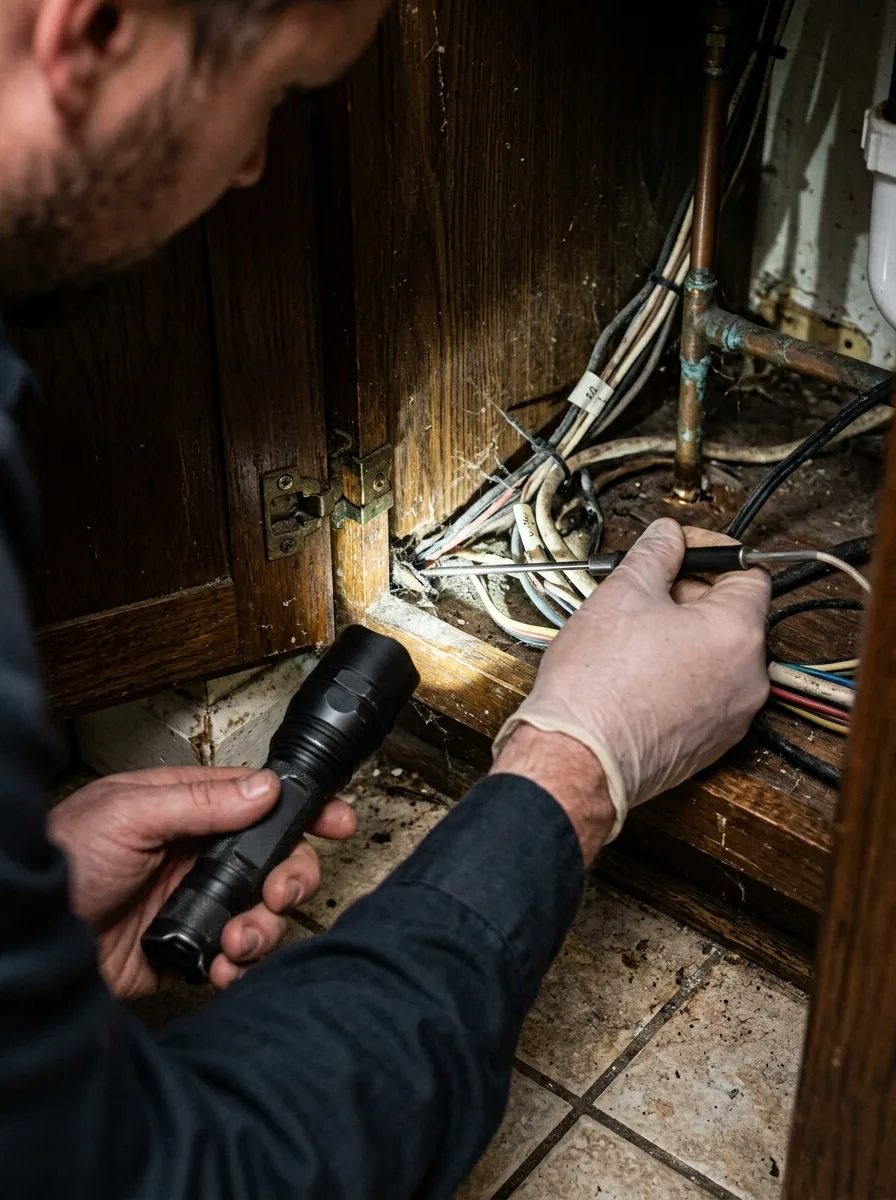
Bed bugs live in seams, joints and fixings within a few feet of where people sleep. Finding them takes a slow, methodical search.
Learn more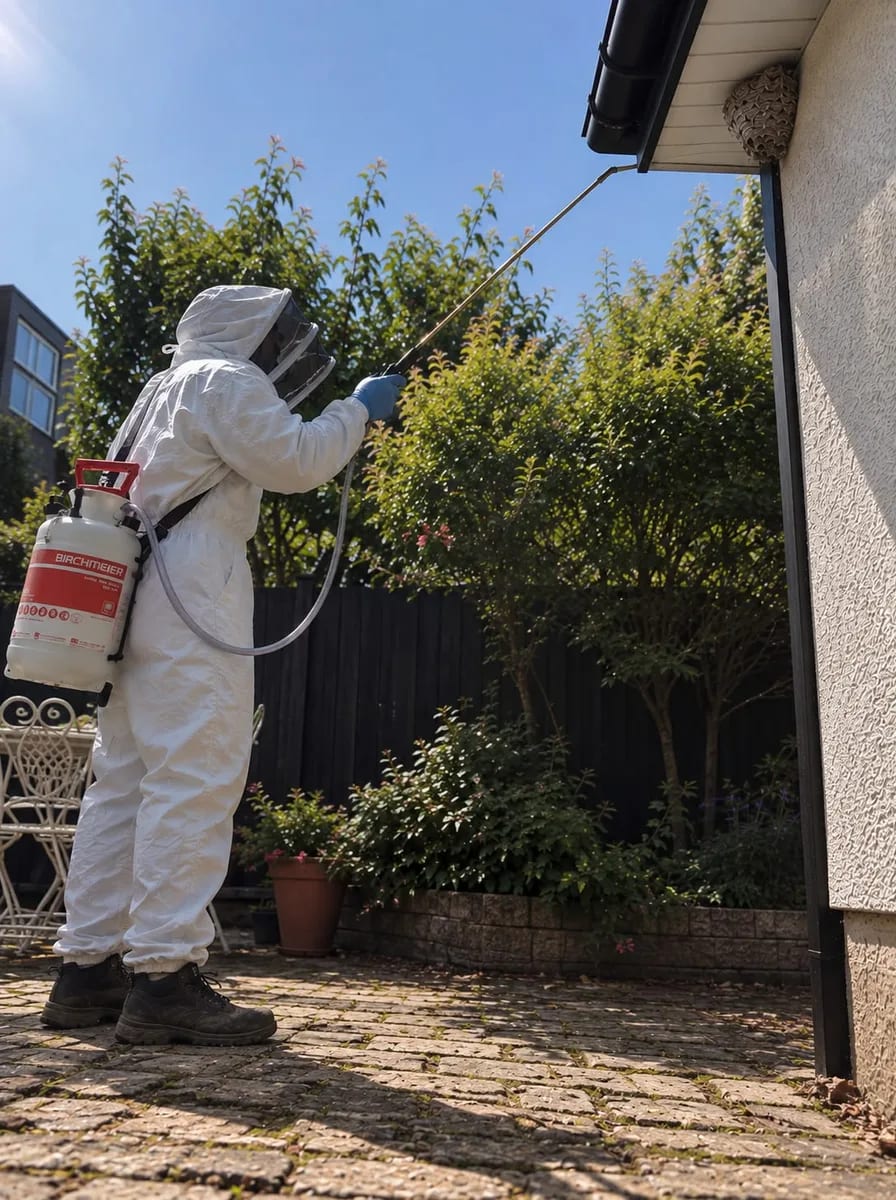
Nests sit in lofts, soffits, airbricks and cavity walls. Treating the nest is quick — reaching it safely is the skill.
Learn more